
REVIEW · ABHA
Historical & Heritage Tour in Abha- Rijal Almaa Village
Rijal Almaa feels timeless. This small group heritage outing from Abha lets you spend real time with guide Ahmed, not just rush through stops. I like that the day includes pickup and drop-off, so you can focus on the views, the village details, and the food.
You’ll also get comfort snacks and hot drinks along the way, which matters when you’re doing a hike and moving between high points and village streets. One thing to consider: the day has a hike to Al Soudah’s highest peak, and it runs best when weather cooperates, so plan for moderate physical fitness and good weather.
In This Review
- Key highlights in Abha and Rijal Almaa
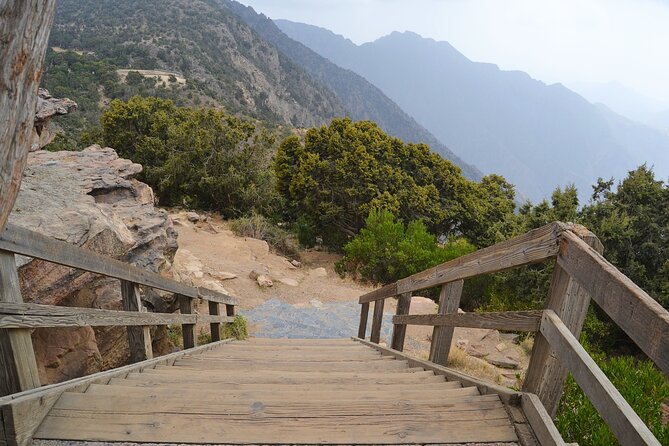
- From Abha to Al Soudah’s Highest Peak: the hike you’ll remember
- Rijal Almaa Lunch: a traditional southern meal that actually fits the day
- Wandering Rijal Almaa’s stone-clay-wood palaces and palatial streets
- Rijal Almaa Museum: the locals’ rescue story
- Honey bazaar finale at Al Soudah: the sweet last stop
- Price and logistics: why $219 feels fair for this kind of day
- Timing, weather, and how to dress for a day that changes
- Who should book this heritage tour, and who should consider alternatives
- Should you book Abha Trips for Rijal Almaa and Al Soudah?
- FAQ
- How long is the Historical & Heritage Tour in Abha-Rijal Almaa Village?
- What is the price per person?
- Is pickup and drop-off included?
- What ticket type will I receive?
- What stops are included during the tour?
- Is lunch included, or do I need to bring food?
- Are museum admissions included?
- What physical fitness level is recommended?
- Does the tour depend on weather?
- What are the group size limits?
Key highlights in Abha and Rijal Almaa
- Al Soudah sunrise-to-sunset style views, with a chance to walk through cloud when conditions allow
- Guide Ahmed’s storytelling, especially around what locals did to save the village heritage
- Rijal Almaa lunch, a traditional southern meal that breaks up the day nicely
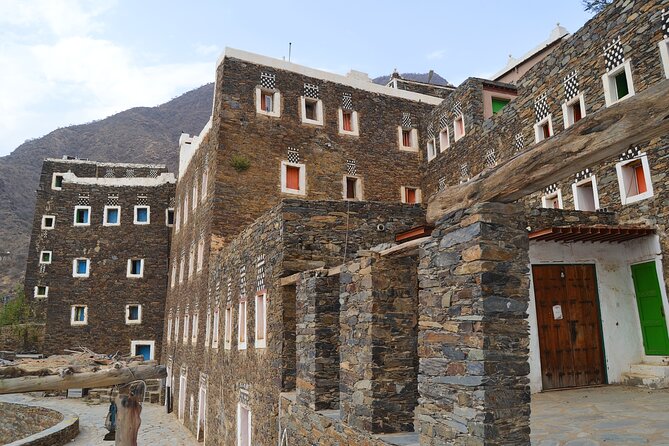
- Multi-floor palaces and buildings, made from natural stone, clay, and wood
- Coffee or tea plus snacks, served during the outdoor segments
- Honey bazaar stop, the sweet finale before heading back to Abha
From Abha to Al Soudah’s Highest Peak: the hike you’ll remember
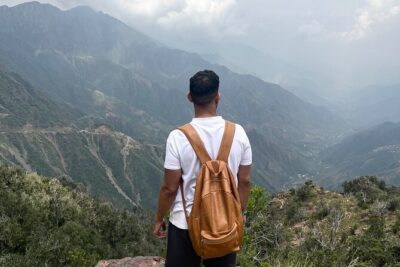
Your day starts with pickup from Abha, then you head toward Al Soudah for the big physical moment: a hike to the highest peak. This is not a long expedition in the way of multi-day trekking, but it is still active, with enough climbing to make you feel like you earned the mountain views.
The fun part is the uncertainty in a good way. On the day you go, you might be lucky enough to walk through cloud. If that happens, the whole experience changes. You get that soft, high-altitude feeling where the world seems to shrink down to your footing and the next turn in the trail. Even without cloud, the goal is the same: take in the sunset view from the mountains if timing and weather line up.
During this segment, you’re not just hiking into the unknown. Snacks and hot beverages are served, which is a smart detail for anyone who tends to get shaky or chilly outdoors. It also keeps the energy level up so you can enjoy the scenery instead of thinking about your next meal.
Bring practical expectations: you’re going to be outside for a while, and the mountain can feel different from Abha town. Wear layers you can adjust, and keep your shoes firmly gripped. This stop is the “nature card” in the deck, and it’s the one most people talk about after they’re back.
More Asir highland trips around Abha and Rijal Almaa
- Historical & Heritage Tour in Abha- Rijal Almaa Village★ 5.0 · 22 reviews
- Abha City and AlHabala Full-Day Tour★ 5.0 · 9 reviews
Rijal Almaa Lunch: a traditional southern meal that actually fits the day
After the mountain stop, you head to Rijal Almaa for lunch. The meal is described as traditional southern lunch, and that’s exactly what you want after hiking. Food here is not just fueling you, it’s part of how you connect to the region.
You’ll spend about an hour on this stop. That timing works well because it’s enough time to eat without rushing, but not so long that you burn the momentum you need for the village exploration after. It also gives you a break from outdoor air and lets you reset before you start walking around the historic structures.
One practical tip: eat at a normal pace. If you rush, you’ll be hungry again soon, and if you slow down too much, you might feel stressed when the next segment starts. With a 6-hour overall day, the schedule needs your help.
Wandering Rijal Almaa’s stone-clay-wood palaces and palatial streets
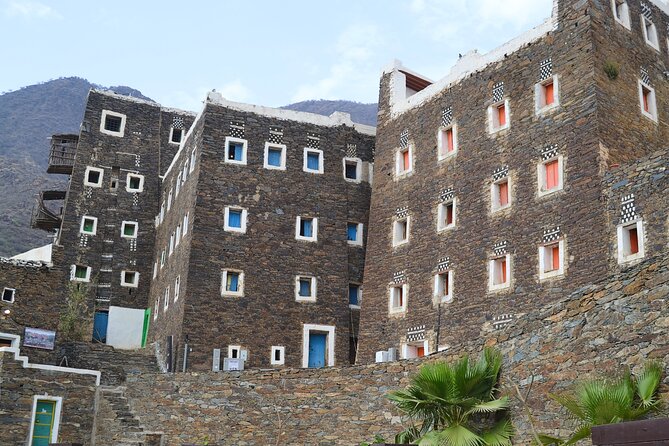
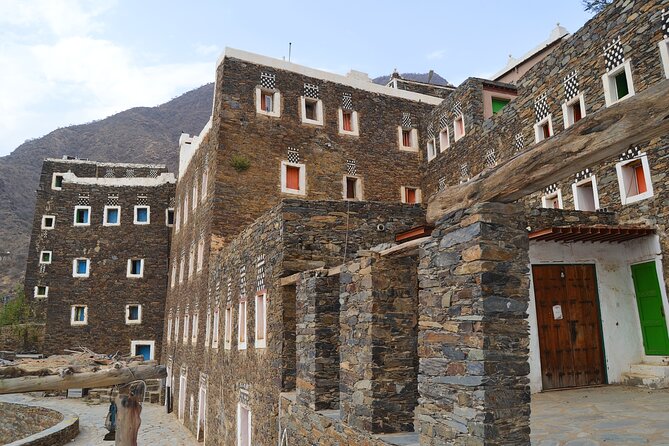
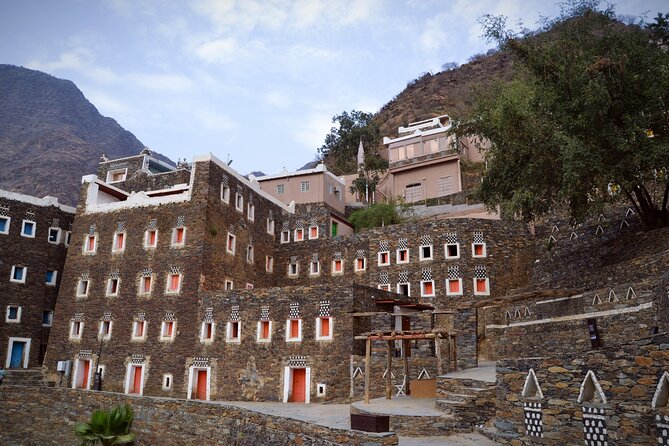
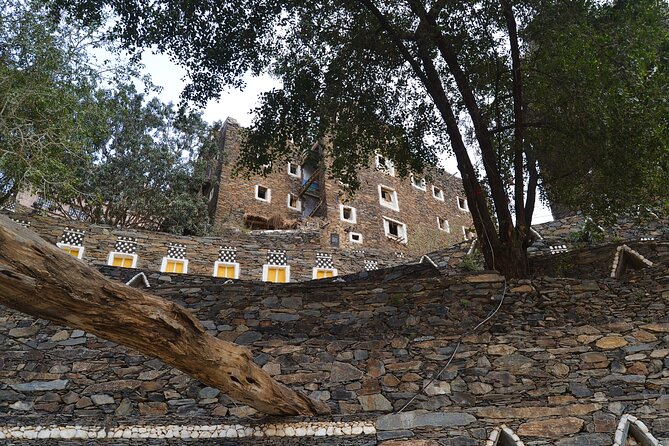
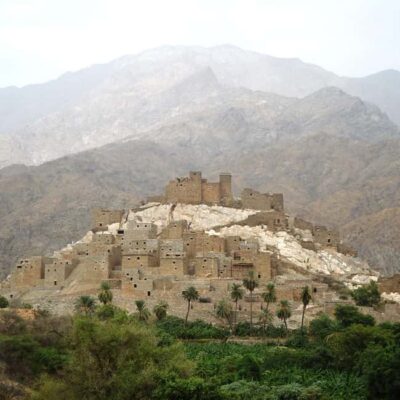
Next comes the heart of the visit: Rijal Almaa village itself. You’ll explore the historic area, including the impressive palaces built with natural stone, clay, and wood, and arranged across multiple floors. This is the kind of architecture that rewards slow looking, because the buildings aren’t just standing there, they’re shaped by how locals lived.
The multi-floor design is one of the key things I love about villages like this. It hints at daily life: movement between levels, storage and domestic activity, and the way communities used space efficiently. And because the materials are local and natural, you can often spot how the buildings were made to handle the climate and the rhythms of the area.
You’re guided while you wander, which helps you read what you’re seeing. Ahmed’s approach, from what I’ve gathered, focuses on meaning. You don’t just see old walls, you understand why they were built the way they were and how people made the village work as it aged.
One consideration: you’re on your feet during this part. You don’t need to be a mountain athlete, but you should be comfortable with walking on uneven surfaces and moving between spaces inside the village area.
Rijal Almaa Museum: the locals’ rescue story
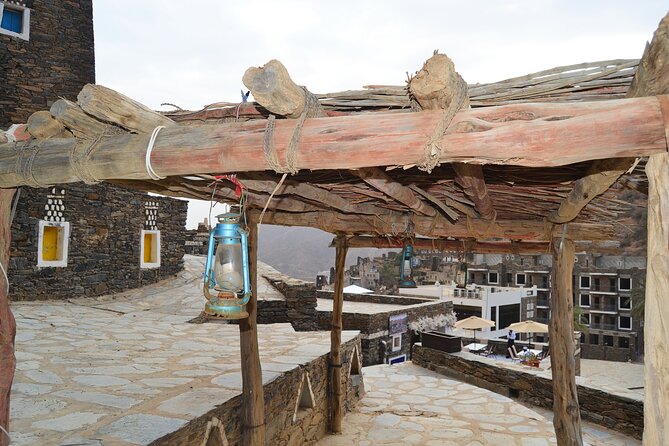
After the village walk, you shift to the museum portion. This is where the day turns from “look at the old places” to “understand why they survived.” You’ll spend about an hour learning how efforts by locals helped save the regional heritage of the village.
This stop matters more than it first sounds. Villages like Rijal Almaa can disappear quietly over time as people modernize, relocate, or rebuild in different styles. The museum’s job is to make that preservation understandable, so you leave with context instead of just photos.
I especially like museum segments that connect to what you just saw outside. Here, the museum helps you connect the dots: the palaces, the materials, and the layout all tie back to a community that wanted its way of life to endure. Ahmed tends to bring this to life with thoughtful, informative guidance, and that’s where the tour feels most “worth it,” not just scenic.
If you’re the kind of person who likes heritage that includes people and decisions, this is the portion that will stick with you. You’ll understand that saving a heritage site is not accidental. It takes local energy, organized effort, and long attention.
Honey bazaar finale at Al Soudah: the sweet last stop
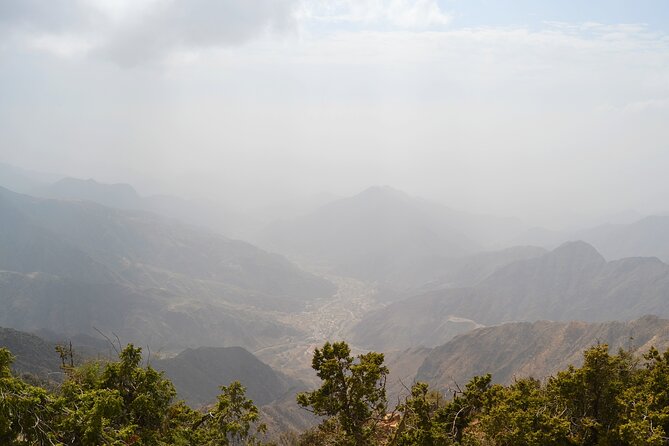
To wrap up, you head back to Al Soudah for a honey bazaar stop. This is a shorter segment, about an hour, and it’s a nice contrast to the earlier hiking and history.
The big appeal here is simple. You get a chance to try or buy honey products connected to the region’s beekeeping culture. The tour framing also ties this stop to bees in a way that feels more than commercial. It’s part of the local craft economy, and it’s a fun, easy way to end the day without more walking.
I like that this finale is practical. By the time you get here, you’ve already done the museum and the village exploring. The honey bazaar becomes a calm shopping and tasting moment, not another “hard work” segment.
Then you’re headed back toward Abha, finishing the day with a clear sense of completion: mountains, village heritage, museum context, and a sweet souvenir option.
More Saudi heritage sites with the story attached
- Makkah’s (Mecca) Ziyarat : Holy, Historical Places (Private Tour)
★ 3.5 · 11 reviews
Price and logistics: why $219 feels fair for this kind of day
At $219 per person for about 6 hours, you’re paying for more than a bus ride. You’re buying guided time, transportation, and structured stops that fit together without you needing to plan each piece.
Here’s what drives the value for me:
- Small group size (up to 14 travelers) means you’re less likely to feel like a numbered face.
- Pickup and drop-off removes the biggest day-travel headache. You don’t have to figure out meeting points for separate legs.
- Snacks and hot drinks during the hiking segment are included, which lowers your “extra costs” stress.
- You get a mix of active, cultural, and relaxing segments, not just one long museum crawl.
Also, the tour schedule runs across a long operating window, Monday through Sunday during the posted opening hours. It gives you flexibility if you’re planning a trip to Abha over multiple days. And because this is a guided small group, it tends to book ahead, so earlier planning is smart.
Is $219 “cheap”? No. But for a day that includes a mountain hike segment, village architecture time, a museum learning stop, and a guided finish at a honey bazaar, it’s in the reasonable range for organized heritage experiences. You’re paying for time, coordination, and a guide who explains what you’re seeing instead of leaving you to guess.
Timing, weather, and how to dress for a day that changes
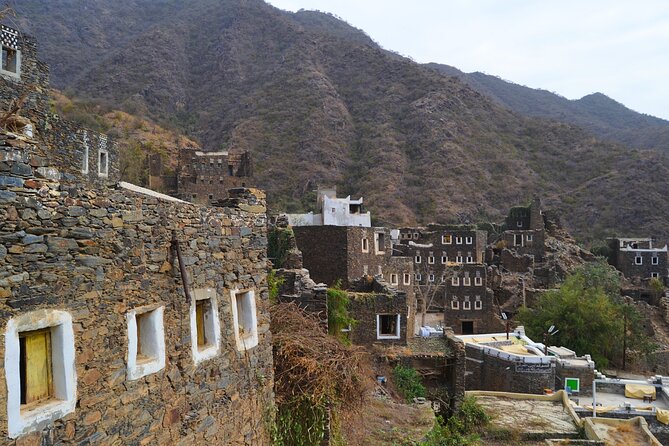
This tour is weather dependent, and it makes sense. A mountain hike to a highest peak, plus possible cloud walking, is not something you want in poor conditions. If weather turns bad, the experience can be canceled, and you’ll be offered a different date or a full refund.
So I treat weather as part of my packing plan. Wear layers for temperature changes between Abha and higher elevations. Bring something to protect you from wind if it’s strong. Comfortable shoes matter more than fancy shoes, since the village area can include uneven footing.
Also, consider the physical side. The tour asks for moderate physical fitness. That means you should expect real walking and climbing during the Al Soudah hike. If you know you struggle with steep or uneven trails, you might want to pick a gentler activity in the Abha area instead.
One more scheduling note: the whole day is about 6 hours. That’s not “sit around all day,” so you’ll want to arrive ready to move and eat. When you do, the day feels smooth rather than rushed.
Who should book this heritage tour, and who should consider alternatives
This experience is best for you if you want a guided heritage day that balances outdoors and culture. You’ll enjoy it most if you like:
- historic villages and architecture made from natural materials
- museum learning that connects directly to what you saw outside
- a guide who can explain what preservation efforts mean, not just where things are
- a small group format where questions feel possible
I think it also suits people who enjoy moderate active travel. If you can handle a hike and want the reward of mountain views, this day gives you that payoff.
You may want to reconsider if you’re looking for a fully flat, low-walking day. The hike to the highest peak is the main physical focus, and the village walk and museum time add up too. Also, if you have no flexibility for weather changes, plan carefully, since the tour requires good weather.
Should you book Abha Trips for Rijal Almaa and Al Soudah?
If you’re visiting Abha and you want one well-built day that covers mountains plus heritage, I’d say yes. The small group setup, the guided focus with Ahmed, and the mix of outdoor views, traditional lunch, village architecture, museum context, and a honey bazaar stop makes the price feel like it matches what you actually get.
Book this if you want to leave with more than photos. The museum component and the preservation story help you understand the village beyond its appearance. Add the chance of cloud on the hike, and you get the kind of memory that stays even when details blur.
FAQ
How long is the Historical & Heritage Tour in Abha-Rijal Almaa Village?
The tour lasts about 6 hours.
What is the price per person?
The price is $219.00 per person.
Is pickup and drop-off included?
Yes, pickup and drop-off are offered for ease.
What ticket type will I receive?
You’ll receive a mobile ticket.
What stops are included during the tour?
The tour includes Al Soudah, Rijal Almaa for lunch, Rijal Almaa Museum visits, and a honey bazaar stop.
Is lunch included, or do I need to bring food?
Lunch is included as a traditional southern lunch in Rijal Almaa.
Are museum admissions included?
Admission is free for some parts, and the Rijal Almaa Museum portion that teaches how locals saved the heritage is admission included.
What physical fitness level is recommended?
You should have a moderate physical fitness level.
Does the tour depend on weather?
Yes. The experience requires good weather. If it’s canceled due to poor weather, you’ll be offered a different date or a full refund.
What are the group size limits?
The tour has a maximum of 14 travelers, and it includes a small group format.
More Saudi Arabia Tours

More Saudi Tours We Have Reviewed



Abha and the Asir Highlands
Booked more recently: other tours across Saudi Arabia

More in Abha & Rijal Almaa Highlands.
 ★ 5.0Abha City and AlHabala Full-Day TourFrom $1299 reviews
 ★ 4.0Horse Riding Experience in Riyadh | Tanomah | Jeddah | Al UlaFrom $755 reviews
 ★ 4.9Highlights City Tour & Rijal AlmaaFrom $3505 reviews
 ★ 5.0Abha City Tour & Rijal AlmaaFrom $3503 reviews
Also listed in