
REVIEW · ABHA
Highlights City Tour & Rijal Almaa
Cold air, clouds, and old houses in one loop. This day trip strings together Jabal Sawda at 3,000 meters, El Sahab Park where you walk above the clouds, and Rijal Almaa’s traditional architecture, with a guide who pays close attention. I especially liked the contrast between misty mountain viewpoints and the colorful village homes, and you get a strong sense of the region without doing the driving yourself. One thing to plan for, it can get really cold up high, and the cable car is an extra ticket.
What also makes this tour feel smooth is the way you are met and handled. Your driver is supposed to be waiting with your name sign, and the tour leader often builds the day around what you want, including small timing shifts for flight plans. The possible drawback is that if you are traveling solo or only want one stop, the multi-stop format can feel pricey compared with a more focused trip.
In This Review
- Key highlights in plain terms
- Aseer Mountains in one tidy 6-hour loop from Abha
- Jabal Sawda, 3,000 meters: the highest point in Saudi Arabia
- Cable car time for Abha views from above
- El Sahab Park above the clouds: clouds, cornish walk, and monkeys
- Rijal Almaa village: traditional architecture and UNESCO ambitions
- The village museum inside Rijal Almaa
- Comfort, pacing, and what your guide actually does
- Price and value: what $350 covers, and what can make it feel high
- Who this tour fits best, and who should think twice
- Should you book Highlights City Tour & Rijal Almaa?
- FAQ
- How long is the tour, and what is the group size?
- What stops are included in the itinerary?
- What does the tour price include?
- Do I need to pay extra for the cable car?
- Who picks me up, and how do I find the driver?
- Is tipping included?
Key highlights in plain terms
- Jabal Sawda at 3,000 meters: the highest point in Saudi Arabia, with lush mountain greens and misty valleys.
- Cable car add-on: a 20 to 25 minute ride down and similar time back up, for Abha views from above.
- El Sahab Park, the cloud hill: Sahab means cloud, and the area can feel like you are stepping into fog.
- Two close viewpoints plus monkeys: you’ll likely spot monkeys at the top, and having small food on hand can help.
- Rijal Almaa’s traditional houses: colorful architecture and a village museum with descriptions in English and Arabic.
Aseer Mountains in one tidy 6-hour loop from Abha
This is a focused half-day style tour that’s built for people who want the big mountain hits around Abha without wrestling a car through winding roads. You start from Abha in an air-conditioned van with an English-speaking driver or guide, and the group is kept small, limited to 5 participants. That small-group size matters. It tends to make it easier to get photo stops when the views are at their best, and it also makes it simpler for the leader to answer questions without herding everyone along.
From the first minute, the meeting style is designed to remove stress. You do not have to hunt for the driver, since they are waiting with a sign showing your name. Once you are in the vehicle, expect conversation about what you will see and what matters about each place, not just a list of stops. In one experience, the host even adjusted the start time to meet a flight, which tells me the leaders are not locked into a rigid script.
Timing-wise, six hours is enough to do three very different environments: high peak air, a cloud-elevated park, and a traditional mountain village. It’s also long enough that you can take short walks and still make it back comfortably. If you hate cold weather, you will feel the altitude today. Bring layers.
More Asir highland trips around Abha and Rijal Almaa
- Abha City Tour & Rijal Almaa★ 5.0 · 3 reviews
Jabal Sawda, 3,000 meters: the highest point in Saudi Arabia
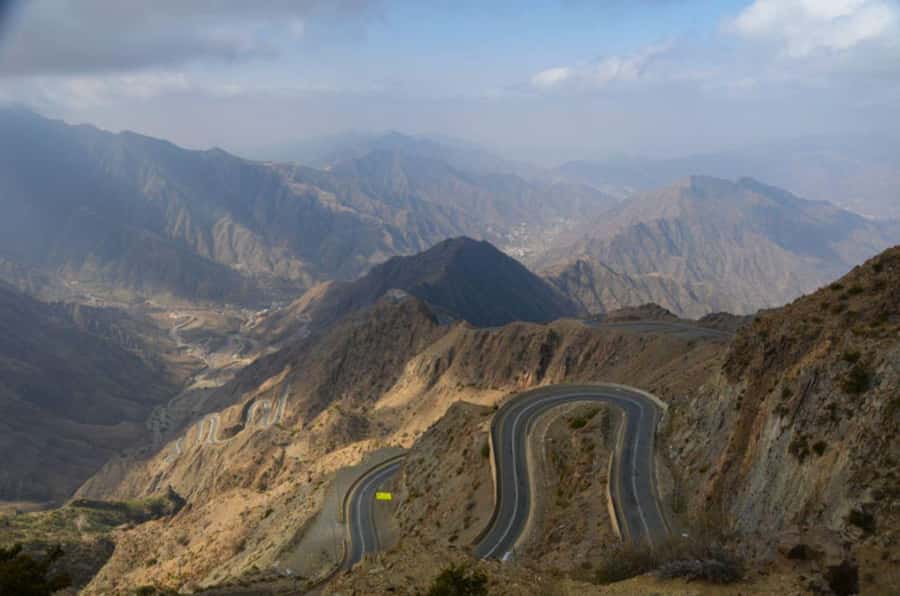
Jabal Sawda is the headline stop, and it lives up to the hype for one simple reason: elevation changes everything. At about 3,000 meters above sea level, the climate can feel dramatically different from Abha. The air is cooler, the views can stretch farther, and you often get mist or fog drifting through mountains and valleys.
I like this part because it is not just a viewpoint. The tour includes time to enjoy the heights and notice how the mountain greenery shows up at altitude, with green, lush trees and shrubs. In plain terms, it helps you understand why this region feels different from what most people expect from Saudi Arabia. You also get that calming mountain feel, where the fog and slow pace make the day feel less like a checklist.
Be prepared for cold. The trip description calls it out clearly, and it makes sense once you are up that high. Bring a real jacket, and if you have room, something warm you can wrap around for breaks. If you get rain or heavy mist, the mountains look moodier and more dramatic, but you might also get lower visibility than you hoped.
One more detail I find worth knowing: your guide may add a bit of walking depending on the group and your preferences. In one case, the leader included a short trek from the peak. If you want gentle movement rather than standing still, tell your guide early.
Cable car time for Abha views from above
The cable car is an optional add-on, and you will need to pay extra for tickets. This matters for value: the base tour price covers transfers, entrance fees, and the planned stops, but not that ride. Still, the cable car portion is designed as a big payoff.
The ride timing is specific: about 20 to 25 minutes down the hill, and similar time returning to the top. Capacity is also described as each cable car seat area can fit around 8 adults comfortably. If your group is small, you will usually avoid that cramped feeling people get on crowded cable cars.
Why you might want it: the views from above Abha can be a whole different angle than what you see from roadside pull-offs. The description also notes that rainy atmosphere can make the ride feel more exciting, since you can experience the feeling of weather and mist around the mountains. If the sky is clear, you get crisp scenic panoramas. If it is misty or wet, you get more of that cloud-drama feeling.
My practical take: decide based on weather that day and how comfortable you are with cold. If it is raining lightly, the cable car still tends to run, but you may not see as far. Bring layers anyway, because you can cool down quickly while waiting and while moving between stations.
El Sahab Park above the clouds: clouds, cornish walk, and monkeys
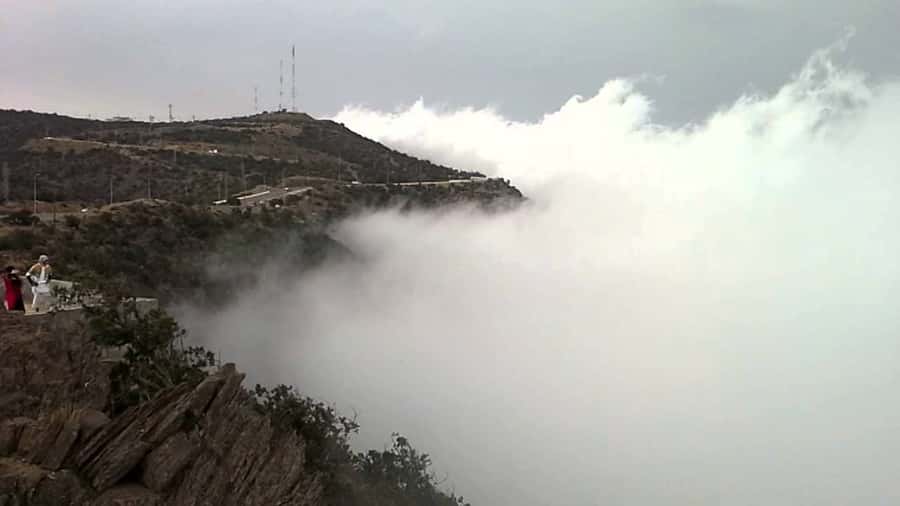
After the peak, the tour shifts to a different kind of altitude experience. El Sahab Park is literally above a mountain, and the name is explained for a reason: Sahab translates to cloud. That’s the vibe here. Clouds pass you through the area, and the park can feel like you are walking into a soft, shifting layer of mist.
You will likely enjoy the walk into clouds cornish. There are also two top view points. The best part for short-legged reality: the two viewpoints are very near each other, so you do not need to pick between them. You can get multiple angles without a long hike.
Then there is the wildlife element. Monkeys are part of the scene at the top viewpoints, and the description suggests bringing some food for them. This is useful to know for two reasons. First, it can make the visit feel more lively. Second, it means you should treat the viewpoint like a place where animals are nearby, not a silent nature spot.
If you do not want hands-on interaction, you can still enjoy watching from a sensible distance while keeping your own snack situation under control. If you do want to interact a bit, do it carefully and follow your leader’s guidance. This is one of those places where a little planning makes a big difference to the mood.
Rijal Almaa village: traditional architecture and UNESCO ambitions
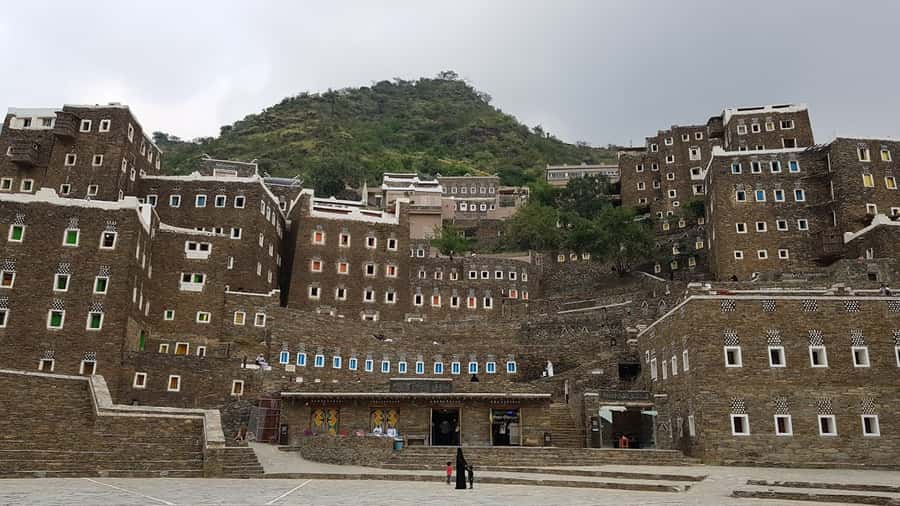
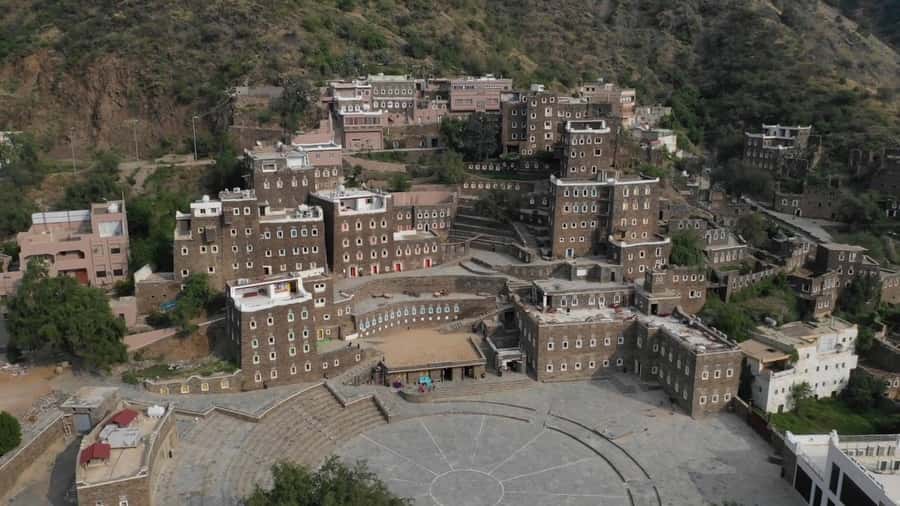
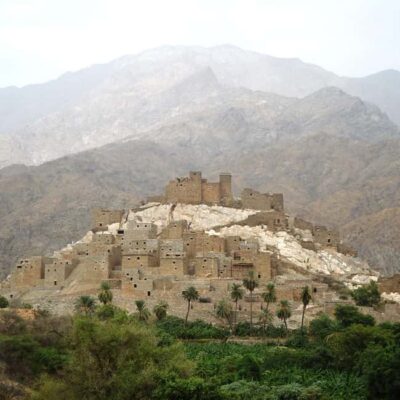
Rijal Almaa is where the day gets cultural and visual in a different way. This is a village known for typical Arabian traditional architecture, the kind of design you see across the country but with its own regional flavors. In Saudi Arabia, one of the classic images people associate with traditional homes is the charming, colorful houses of Rijal Almaa, and this stop is built around that visual identity.
The drive time is also part of the story. Rijal Almaa is located about 130 km by the safe road from Abha, while a shorter 65 km route exists by an unsafe road. The tour uses the safe road, which is exactly what you want when you are trying to enjoy the day rather than stress about the drive.
Once you arrive, the village is described as tourism-oriented and filled with stunning scenery. You’ll have time for photos at panoramic spots, and your tour leader helps by guiding you toward the best angles. If you care about photography, this is one of the strongest parts of the whole tour, because the architecture gives you shapes and color, not just wide scenery.
There is also a heritage angle that’s worth knowing. Rijal Almaa is on the tentative list of UNESCO World Heritage. That matters because it tells you the village is not only pretty, it is considered important enough to protect for the future. You are not just checking a stop off a route. You are stepping into a place being recognized for its value.
The village museum inside Rijal Almaa
In many village visits, you get a quick look and then you move on. Here, you get a museum stop inside the village, and it is described as huge. That means you should plan your time like you would at any proper museum, not like a short photo break.
The museum is set up with old pieces from the region, plus explanations in English and Arabic. That bilingual approach makes the visit easier for visitors who do not speak Arabic well, since you can still understand what you are looking at. It’s also tied to local effort. The museum was established by local inhabitants with the goal of saving regional heritage.
I like museum stops when they are connected to the place you are visiting, and this one fits. You see the architecture outside, then you get context inside. It helps you notice details you might otherwise miss, like how objects and daily life connect to the built environment.
Comfort, pacing, and what your guide actually does
This tour is not just a driver taking you between dots on a map. The guide is part storyteller, part logistics manager. From the time you start, the tour leader talks about what you are passing on the way, so the drive feels productive instead of wasted.
The small group format helps here. It makes it more realistic to respond to your interests. The review detail about the host adjusting the day based on preferences is a big clue. If you want a short extra trek or an extra related stop, that kind of flexibility is exactly what you want from a half-day tour.
There is also a nice touch in how people are welcomed. In one case, the guide arrived with a beautiful bouquet of welcome flowers. It may not be on every day, but it signals the same theme: the leaders aim to make you feel looked after, not like a ticket number.
The flip side is the very thing that makes flexibility possible: if you have specific priorities, you should communicate them clearly. If you only want Rijal Almaa, you might feel like you spent extra time on mountain stops. If you love mountaintops but skip museums, you might want to ask if pacing can be adjusted.
Price and value: what $350 covers, and what can make it feel high
At $350 per person for a 6-hour tour, this is not a cheap day. But it does include several things that usually cost time and effort to arrange on your own. You get modern air-conditioned van transfers from your Abha hotel, an English-speaking tour leader or driver, entrance fees, and all service charges and taxes. You also get the ability to customize the itinerary to your preferences.
Where the value shows: these sites are not all close together, and they sit at higher elevations. Getting there with proper logistics matters. A good guide also adds meaning to what you see, like the Sahab cloud theme at El Sahab Park and the UNESCO tentative status at Rijal Almaa. If you are paying for a day of interpretation plus transport, the price starts to make sense.
Where it can feel steep: if you are solo and the small group setup means you are effectively buying extra space, your per-person cost can sting. One solo traveler pointed out that a more focused Rijal Almaa trip can be cheaper, and that the multi-stop day may cost more than just doing one village. This is a valid consideration.
My advice for value: if your goal is truly all three stops, the tour price is easier to justify. If your priority is only Rijal Almaa, ask about options that focus just on that area. If your priority is mostly the mountain views and you care less about the village museum, you can still enjoy the day, but you should be ready for the cultural component that comes with Rijal Almaa.
Who this tour fits best, and who should think twice
This tour fits best if you want a compact sampler of the Abha region. You like mountain weather, you enjoy clouds and viewpoints, and you want at least one stop that feels culturally grounded. The itinerary works for photographers too, because you get panoramic spots at multiple elevations, and the village homes give you color and texture.
It is also a good match for people who do not want to drive. The description highlights safe road routing and comfort in an air-conditioned van. If you are visiting Saudi Arabia and want to experience Aseer Province beyond the city, this is a simple way to do it in a single day.
Think twice if you:
- Dislike cold weather and do not pack layers for high altitude.
- Want only Abha city sights, since this focuses on mountains and a village rather than shopping streets.
- Feel uncomfortable around monkeys at the viewpoints. They are part of the experience here.
- Are on a strict budget and want a single-site visit rather than a full circuit.
Should you book Highlights City Tour & Rijal Almaa?
If you have limited time and you want the Abha region’s key mountain and culture moments, I think this is a smart booking. The combination of Jabal Sawda altitude, El Sahab Park cloud atmosphere, and Rijal Almaa’s traditional architecture is a strong mix of nature and heritage in one six-hour day.
Book it if:
- You want guided context and photo help.
- You like mountain views and you can handle cold.
- You value a safe, organized ride instead of self-driving between remote points.
Consider an alternative if:
- You only care about Rijal Almaa and you want to minimize extra stops.
- You are traveling solo and price sensitivity is a concern, since small-group scheduling can affect how you pay.
- You are very focused on English nuance. The tour lists English-speaking leaders, and one experience noted room for improvement, so if language comfort is critical for you, it is worth asking before you commit.
Either way, pack layers, plan for the cable car if you want those Abha-from-above views, and keep your camera ready. This day tour is built for people who like scenery with meaning, not just scenery for scenery’s sake.
FAQ
How long is the tour, and what is the group size?
The tour runs for 6 hours. It is a small group with a maximum of 5 participants.
What stops are included in the itinerary?
The tour includes Jabal Sawda, El Sahab Park, and Rijal Almaa village, with guided time for views and photos. A cable car ride is available as an extra ticket.
What does the tour price include?
The price includes all transfers by modern air-conditioned van from your hotel in Abha, an English-speaking tour leader or driver, entrance fees, and all service charges and taxes.
Do I need to pay extra for the cable car?
Yes. The cable car is mentioned as an extra ticket and is not included.
Who picks me up, and how do I find the driver?
Your tour leader or driver is waiting for you and will hold a sign with your name, so you do not need to look for them. You travel in an air-conditioned van from your hotel in Abha.
Is tipping included?
Tipping is not included. The tour lists tipping as not included.
More Saudi Arabia Tours
More Saudi Tours We Have Reviewed
Abha and the Asir Highlands
Booked more recently: other tours across Saudi Arabia
More in Abha & Rijal Almaa Highlands.
 ★ 5.0Historical & Heritage Tour in Abha- Rijal Almaa VillageFrom $21922 reviews
 ★ 5.0Abha City and AlHabala Full-Day TourFrom $1299 reviews
 ★ 4.0Horse Riding Experience in Riyadh | Tanomah | Jeddah | Al UlaFrom $755 reviews
 ★ 5.0Abha City Tour & Rijal AlmaaFrom $3503 reviews
Also listed in