
REVIEW · ABHA
Abha City and AlHabala Full-Day Tour
One valley, five surprises. This Abha City and Al Habala full-day tour strings together dramatic mountain scenery with culture, food, and everyday life in southern Saudi Arabia. You’ll start with Al Habala and its canyon-like setting, then roll through gardens, Ottoman-era sights, a famous Tuesday market, and a museum devoted to home decoration and women’s clothing.
I especially like how the day is built like a short story: you keep changing scenes instead of just repeating the same type of stop. I also like that the plan is practical for a day tour, with private transportation and snacks included, so you are not spending half your time figuring out logistics.
One possible drawback to know up front: you are active for about six hours. That means some walking, and you’ll want comfortable shoes, because you do move from place to place.
In This Review
- Key highlights I’d build your day around
- Why Abha and Al Habala feel like a different side of Saudi
- Price and what you actually get for $129
- Pickup and timing, how the 6-hour flow really works
- Stop 1: Al Habala, the Saudi Grand Canyon mountain village
- Stop 2: Abu Kheyal Park, jacarandas and ponds along King Abdulaziz Road
- Stop 3: Shamsan Ottoman Castle, a compact fort with three corner towers
- Stop 4: Thulathaa Traditional Market, Tuesday bazaar energy without the confusion
- Stop 5: Fatima Museum, home decoration and women’s clothing as art
- Small group, private transport, and why that matters
- Who should book this Abha City and Al Habala tour
- Should you book this tour or pick something else?
- FAQ
- How long is the Abha City and Al Habala full-day tour?
- How much does the tour cost?
- Is pickup offered and do I use a mobile ticket?
- What is the maximum group size?
- What stops are included in the itinerary?
- Are admission tickets included or free for the stops?
- What is the cancellation policy for a full refund?
Key highlights I’d build your day around
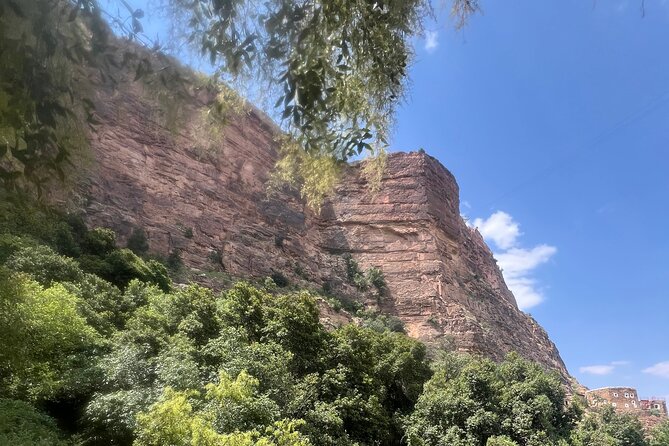
- Al Habala (Saudi Grand Canyon vibe): a small mountain village in a valley about 300 meters below the mountain peak.
- Abu Kheyal Park in spring: jacaranda color, water ponds, chirping birds, and occasional rain showers.
- Shamsan Ottoman Castle: a compact fort with three corner towers, plus juniper detail linked to the Asir Al-Sarah forests.
- Thulathaa Traditional Market: the Tuesday bazaar, open all week, run by a large group of elderly sellers.
- Fatima Museum of home decoration and women’s clothes: Arabian art with classes that help train artists.
Why Abha and Al Habala feel like a different side of Saudi
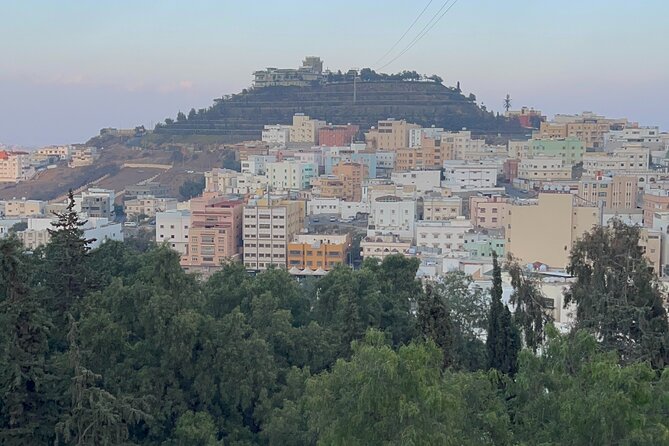
Abha is the kind of place where the scenery and the culture talk to each other. In the southern Asir region, you get mountain villages, outdoor spaces, and traditions that feel specific to the region instead of generic tourist stops. This tour leans into that. It is not just about seeing a few sites, it is about experiencing southern daily life through religion, food, and people.
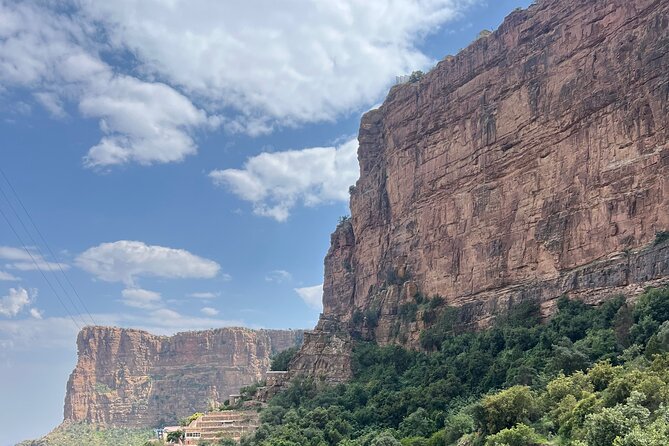
Then Al Habala hits, and it hits fast. You drive from Abha in about an hour, and suddenly you are in a valley setting that feels like a natural amphitheater. The village sits almost 300 meters below the peak of the mountain ahead of it, which is exactly the kind of vertical geography that makes photos look cinematic even when you are just walking slowly.
I like that the itinerary keeps switching between outdoors and indoors. You get the valley and park air early on, then you shift to castle and market, then finish with a museum focused on home decoration and women’s clothes. It keeps your interest high because you are not doing one long outdoor stretch.
More Asir highland trips around Abha and Rijal Almaa
- Historical & Heritage Tour in Abha- Rijal Almaa Village★ 5.0 · 22 reviews
- Abha City and AlHabala Full-Day Tour★ 5.0 · 9 reviews
Price and what you actually get for $129
At $129 per person for a roughly 6-hour day, the value depends on how you handle transportation and admissions. Here, the math is pretty friendly.
You are paying for:
- Private transportation
- Snacks
- A packed route that includes multiple stops
And a big chunk of the friction is removed because the sites listed on the itinerary show free admission tickets at each stop. That means your money goes toward getting you there and keeping your day smooth, not toward stacking paid entries.
Also, the group size is small, up to 5 people. For a day that includes walking, a small group usually means fewer delays and easier conversations with the person running the route. You can ask questions without feeling like you are on a conveyor belt.
Pickup and timing, how the 6-hour flow really works
This is a full-day tour, but it is not a slow “look at everything slowly” kind of day. It is more like a carefully paced loop. The total time is around 6 hours, with stops that are short enough to fit together but long enough to actually see things.
The ride order is straightforward:
1) Drive to Al Habala
2) Walk around Abu Kheyal Park
3) Explore Shamsan Ottoman Castle
4) Visit the Tuesday market
5) Visit Fatima Museum
One timing tip: since each stop has a time block, you should plan to stay close to the group and keep your phone camera ready. If you get stuck at one photo spot, the rest of the day gets rushed.
There is also a lot happening outside, especially early. So I recommend dressing for sun and heat, and bringing water. The tour includes snacks, but water is still your job.
Stop 1: Al Habala, the Saudi Grand Canyon mountain village
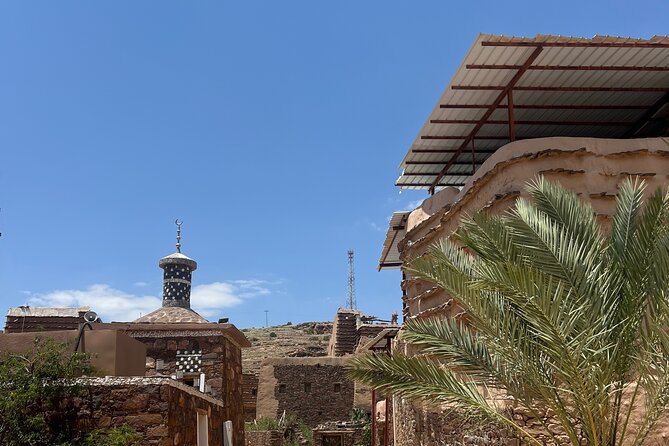
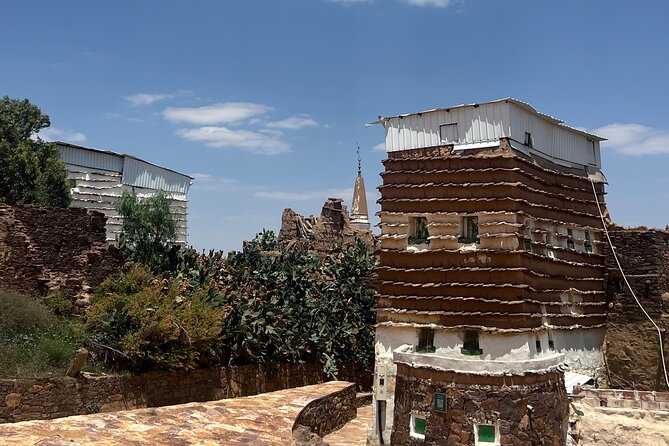
Al Habala is a small mountain village in the Asir region. You reach it from Abha in about one hour by car, then spend roughly two hours exploring. The big visual feature is the setting: the village sits in a valley about 300 meters below the front mountain peak.
That vertical drop matters. It changes how light falls. It also makes the area feel sheltered, like you are walking into a bowl shaped by the mountains. People often get hung up on big scenic words, but here you can feel the geography in your steps. Even without doing anything special, the terrain creates strong visuals.
What I like about Al Habala in this format is that you are not trying to do long hikes. The time you get feels like a “walk and look” exploration, which is more realistic for a half-day inside a full day.
A practical consideration: you will be on your feet in a village setting. Wear shoes that work on uneven ground, and keep your pace steady. Two hours can go quickly if you stop every few steps for photos.
Stop 2: Abu Kheyal Park, jacarandas and ponds along King Abdulaziz Road
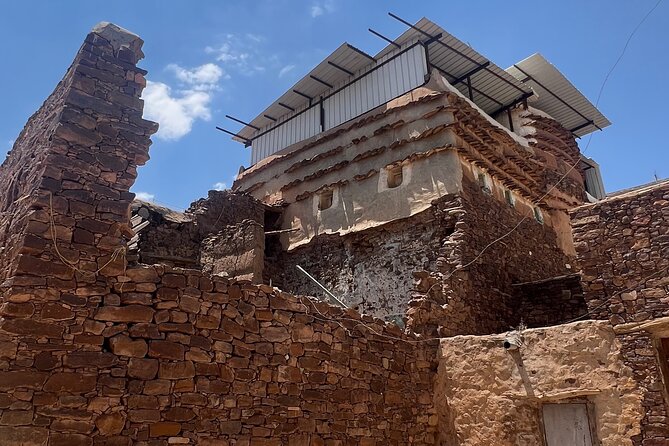
After the canyon-like valley feel, Abu Kheyal Park gives you a calmer, greener reset. The park is described as being on King Abdulaziz Road, with wide open green areas that stretch out visually.
If you are visiting in spring, this stop gets even better. You can catch purple jacaranda leaves that draw both eyes and cameras, plus bird song all around. There are also water ponds scattered throughout the park, and occasionally you may get rain showers.
Even if weather is not perfect, I like that this stop is still useful. It is a break from climbing and looking at buildings. You get a moment to slow down, wander, and re-center before the next heritage-focused stops.
One caution: parks are easy places to lose track of time. Since you only have about an hour here, I’d keep your path simple. Pick a few “must look” corners, take photos, then head back to the group rather than trying to cover the whole park.
More Saudi city days that cover the ground quickly
- Makkah City to Madinah City Transfer
★ 4.5 · 3 reviews
Stop 3: Shamsan Ottoman Castle, a compact fort with three corner towers
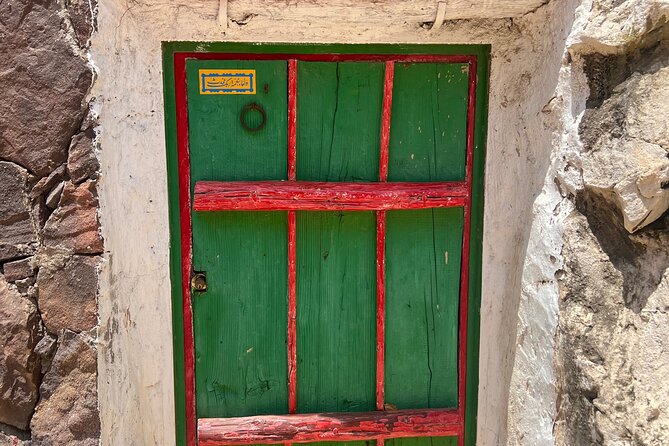
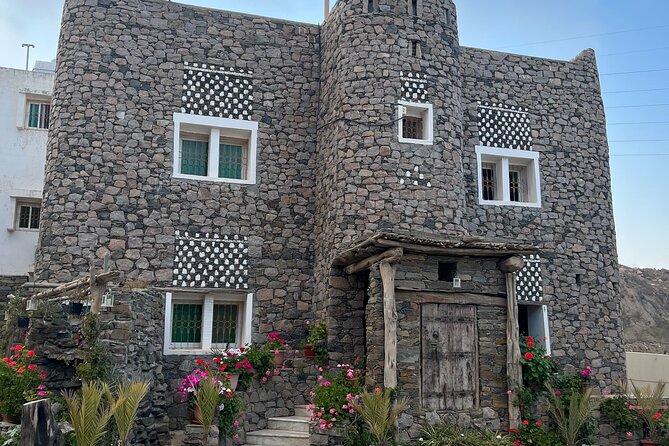
Shamsan Ottoman Castle is in Abha, and it is small enough to feel manageable but detailed enough to hold your interest. It measures about 90 meters long and 50 meters wide, which means you can understand the fort’s layout without walking a marathon.
The most interesting detail is the tower configuration. The castle has defensive towers in three corners only. The note about four being usual in one corner is a clue that the design here is different from what you might expect. That kind of architectural quirk is exactly what makes the stop memorable.
You also get a connection to the Asir Al-Sarah mountains and juniper trees. The castle is said to be distinguished by juniper trunks scattered in the western forests, with lengths noted around 7 meters. That detail gives the castle a more rooted local feel. It is not just a distant “Ottoman thing.” It links to the environment and materials around the region.
This stop is short, about 30 minutes, so treat it like a focused walk. Look at the dimensions, notice the odd number of corner towers, then take a few wide shots before you move on.
Stop 4: Thulathaa Traditional Market, Tuesday bazaar energy without the confusion
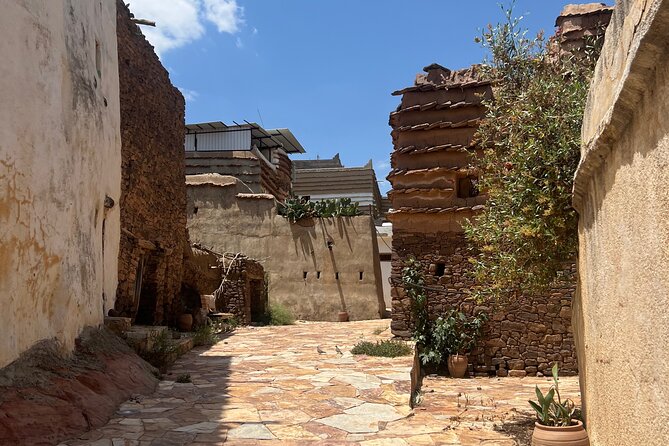
The Tuesday bazaar at Thulathaa Traditional Market is one of Abha’s prominent historical monuments. It is also described as one of the oldest popular markets in the region. That matters, because you are not just passing through a souvenir corridor. You are seeing a market that is part of how people shop and trade.
The market is characterized by popular products, and it is run by a large group of elderly people. That detail changes how you experience it. You are more likely to see steady routines and human faces, not just fast photo moments.
The Tuesday bazaar is also listed as open all week. So even if your visit day is not Tuesday, the market still operates. That helps you avoid the common disappointment of arriving and finding closures.
What to do here: keep your expectations flexible. Markets are sensory. You may want to browse with time to pause, but you also need to understand that this is not an all-day market tour. Plan to spend your energy on a few stalls and keep the rest light.
If you like interacting with locals, markets are usually the best place in a day like this. Just be patient and let the moment guide you, especially when many sellers are older and likely working with a busy pace.
Stop 5: Fatima Museum, home decoration and women’s clothing as art
The final stop is the one I find most meaningful in the route. Fatima Museum focuses on home decoration and southern women’s clothes. That sounds narrow, but it turns out to be a real cultural snapshot because clothing and home design are part of identity.
This museum is described as a local treasure. The owner is noted as world-renowned in Arabian art, with prizes for the UN. That level of recognition matters, because it suggests the museum is not just a display space. It is connected to serious art work.
You’ll also notice the building and the art itself. Both are described as astonishing, and there is an added layer that makes it feel alive: the museum offers classes and trains artists. That means you might see the museum as something in motion, not something frozen behind glass.
This is the stop where you can slow down the most. The time block is about 1 hour 30 minutes, which is long enough to actually understand what you are looking at instead of rushing.
One practical note: museums can be photo-friendly, but keep your attention on details. The value here is in understanding design choices and how they connect to everyday life.
Small group, private transport, and why that matters
With a maximum of 5 people and private transportation included, the tour is built for comfort and flow. This is not a big bus situation. It is easier to keep everyone together, and the route stays efficient.
Private transport is also a hidden value on a day like this because you cover multiple distinct areas. Al Habala is about an hour from Abha. Then you bounce between outdoor and indoor stops around Abha. Without a private vehicle, you would waste time arranging rides and timing.
Snacks included are another detail that helps. In a 6-hour day, even small hunger can make everything feel harder. Snacks help you stay pleasant until you finish at Fatima Museum.
Who should book this Abha City and Al Habala tour
I think this tour fits best if you want variety in one day:
- You want mountain scenery without a tough hike
- You like heritage stops, like castle architecture and an old market
- You care about culture beyond landmarks, including what people wear and how they decorate homes
- You prefer a small group day with private transport and time blocks that actually make sense
It might not be ideal if you want a long, unstructured “wander for hours” schedule. This day is paced. It is built to hit five major stops, and that structure is part of the value.
Should you book this tour or pick something else?
Book it if you want a focused sampler of Asir culture, with Al Habala doing the dramatic scenery work and Fatima Museum giving you the cultural depth. The price feels reasonable because admissions are shown as free at the stops, and you get private transport plus snacks.
Skip it or compare options if you hate structured itineraries or if you have mobility limits that make walking around a village and market stressful. You will be on your feet, and the stop timings are tight enough that you cannot plan on stopping whenever you want.
If your goal is to understand Abha in a single day, this is one of the better ways to do it because you end the day with something that connects culture to daily life, not just architecture and scenery.
FAQ
How long is the Abha City and Al Habala full-day tour?
The tour is approximately 6 hours.
How much does the tour cost?
It costs $129.00 per person.
Is pickup offered and do I use a mobile ticket?
Yes, pickup is offered, and you’ll receive a mobile ticket.
What is the maximum group size?
The tour has a maximum of 5 people.
What stops are included in the itinerary?
The tour includes Al Habala, Abu Kheyal Park, Shamsan Ottoman Castle, the Tuesday market (Thulathaa Traditional Market), and the Fatima Museum of home decoration and women’s clothes.
Are admission tickets included or free for the stops?
Admission tickets are listed as free for the stops in the itinerary.
What is the cancellation policy for a full refund?
You can cancel up to 24 hours in advance for a full refund. If you cancel less than 24 hours before the experience starts, you will not be refunded.
More Saudi Arabia Tours
More Saudi Tours We Have Reviewed



Abha and the Asir Highlands
Booked more recently: other tours across Saudi Arabia

More in Abha & Rijal Almaa Highlands.
 ★ 5.0Historical & Heritage Tour in Abha- Rijal Almaa VillageFrom $21922 reviews
 ★ 4.0Horse Riding Experience in Riyadh | Tanomah | Jeddah | Al UlaFrom $755 reviews
 ★ 4.9Highlights City Tour & Rijal AlmaaFrom $3505 reviews
 ★ 5.0Abha City Tour & Rijal AlmaaFrom $3503 reviews
Also listed in