
REVIEW · MADINAH
Madinah Ziyarats (Private tour)
Madinah is holy, but the route matters. This private ziyarats tour strings together major prayer sites and early Islamic milestones in about 2 to 3 hours, with air-conditioned vehicle transport that keeps the day practical. You get a focused loop around some of the most meaningful places in Medina, from Quba to the sites tied to the Prophet’s early time in the city.
I especially like two things. First, you get a private setup for up to 3 people, so you can pause for prayer and photos without playing follow-the-leader. Second, the stop list is built around key moments, not random sightseeing, including Masjid Quba, Masjid al-Qiblatayn, and Masjid Jummah.
One consideration: based on real-world feedback, the “tour guide” experience can vary. In the best cases, you get clear explanation and helpful timing, but some guests reported that it sometimes feels more like a taxi ride than a guided visit.
In This Review
- Key highlights to know before you go
- Medina ziyarats in a short, private loop
- Price and value: what your $92 really covers
- Starting at Quba, then moving through key milestones
- Mount Uhud and the Salman Farsi garden stop
- Masjid al-Qiblatayn: the prayer-direction shift in one stop
- Masjid Jummah: where the first Friday prayer took place
- Masjid Quba and the feeling of early Medina
- The Seven Mosques of Sab’u Masajid: why the name is a little odd
- Garden and Masjid of Salman Al Farsi, plus the Imam Ali ring area
- Pickup, Ramadan traffic, and how to avoid a bad day
- Car comfort and the guide experience: what the reviews reveal
- Who this tour fits best, and who should think twice
- Should you book this Madinah Ziyarats private tour?
Key highlights to know before you go
- A short loop of major mosques that fits into a tight schedule
- Private vehicle with AC, helpful in Medina heat
- Mount Uhud is the only site with a ticket, everything else is admission-free
- Garden of Salman Farsi stop includes admission, so you avoid one extra cost
- Pickup can cost more if you’re starting from an airport or train station
Medina ziyarats in a short, private loop
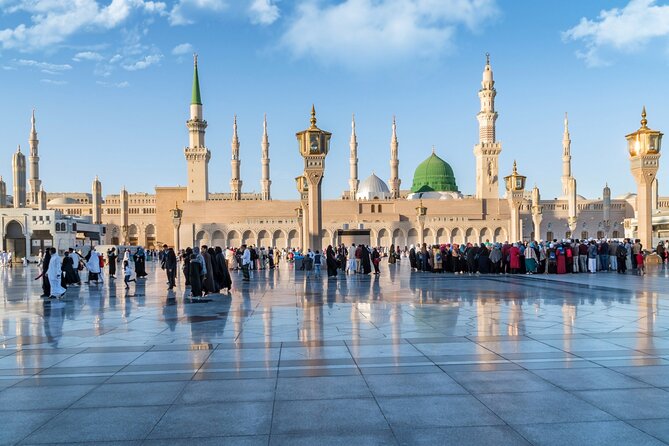
This is the kind of tour that makes sense if you want spiritual stops without losing your whole day to traffic and wandering. You’re looking at roughly 2 to 3 hours, then you’re dropped back in the city. That timeframe is ideal for many visitors because Medina can be intense, especially if you also plan time at Masjid-e-Nabawi.
The private part is what you’re really paying for. This is priced per group up to 3, so if you’re traveling with family or a friend, the value can jump fast. Even if you’re solo, the private car can still be worth it if you hate the hassle of coordinating taxis between multiple locations.
The tour also includes a mobile ticket and a driver who offers pickup, which reduces friction. The tour stays close to the practical reality of Medina, where you spend a lot of your time walking in and out of mosque areas, not standing around.
More Madinah visits taking in the historic sites of the city
- Medina Unveiled Private Tour★ 5.0 · 100 reviews
- Madinah Culture & History Tour – Led by Local Guide★ 5.0 · 74 reviews
- From Madinah: Half-Day Ziarah Tour★ 4.9 · 59 reviews
- City Sightseeing Al Madinah Hop-On Hop-Off Bus Tour★ 3.0 · 50 reviews
- 4WD Adventure in Uhud Mountain★ 4.5 · 29 reviews
Price and value: what your $92 really covers
Let’s talk value in a down-to-earth way. Your money mainly buys three things: private transport, a planned sequence of sites, and a driver who (ideally) provides site context. The car is air-conditioned, and that matters when your schedule is short and you need to stay comfortable between stops.
Admission costs are mostly simple. Mount Uhud admission is not included, while the rest of the mosques listed are free. The Garden and Masjid of Salman Al Farsi stop includes admission. Food and drinks are not included, so you’ll still need to plan hydration and a snack if you’re out during a long prayer window.
Now here’s the fairness check. A handful of guests felt it didn’t deliver enough guidance, especially when language was an issue or the driver treated the day like a drop-off service. So for the best value, your goal is to confirm that the driver will actually guide you through the stops, not just drive past them.
Starting at Quba, then moving through key milestones
One reason this route works is that it follows a logical spiritual timeline. You start near Masjid Quba, one of the earliest mosques tied to the Prophet’s early period in Medina. From there, the stops highlight how the Muslim community organized prayer life and memory in the city.
You’ll also get variety in the types of places. Some are straightforward mosque visits where you pray and absorb the atmosphere. Others are tied to specific moments, like the place connected to the shift in the direction of prayer and the marking of the first Friday prayer in Medina.
That structure is helpful if you’re trying to connect stories across multiple sites. Instead of memorizing plaques, you experience the theme: the building of community, prayer direction, and early leadership in Medina.
Mount Uhud and the Salman Farsi garden stop
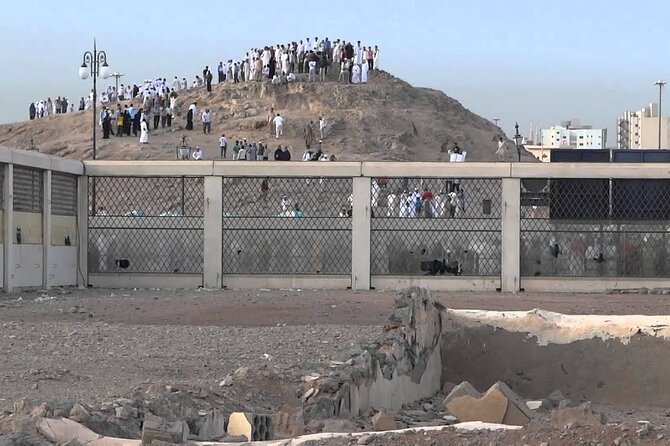
The day begins with Mount Uhud, at least from the accessible section tied to the famous Battle of Uhud. This matters because Uhud is not just a view. It is a reminder of struggle, sacrifice, and the community’s growth. Even if you’re not deeply into battles, you’ll feel the weight of the place.
Then you move toward the Garden of Salman Farsi area. This site is tied to Salman Al Farsi, with the idea that the Prophet planted date palms there, linked to freeing Salman from slavery. It’s also associated with Salman’s strategic thinking during the Battle of the Trench, where he suggested digging a trench to protect Medina.
Practically, this stop is a nice pace-break. You’re not rushing into another mosque immediately. You get a chance to slow down, reflect, and pray where you need to. From the tour info, this garden area is also one of the places where admission is included, which keeps your budgeting clean.
One small caution: Mount Uhud admission is not included. So if you want to avoid surprises, bring enough cash or card access for that ticket on the day.
Masjid al-Qiblatayn: the prayer-direction shift in one stop
Masjid al-Qiblatayn is the kind of place you visit once, but you remember it for a long time. The significance is very specific: this is where the command came to change the Qiblah direction from Jerusalem to Mecca, and the congregation changed direction together.
This is a great stop if you like meaning over spectacle. You don’t need to be an expert in early Islamic history to appreciate what happened here. The whole point is that it’s a physical marker of a major turning point in communal worship.
The time you have is limited, so be ready to make the most of it. You’ll likely want a clear focus: either spend time praying and internalizing the story, or ask your driver for a short, simple explanation so you connect the spot to the moment.
If you’re booking with the expectation of a guided explanation in your preferred language, this is also a good place to see if your guide is actually engaging. Some guests reported mismatches between what they expected and what they got. I’d treat al-Qiblatayn as your test case: if the explanation is missing here, it’s probably missing at other stops too.
Other private Saudi bookings kept to your own group
- 1 Hour Private Horse Riding in Madinah
★ 4.0 · 5 reviews
Masjid Jummah: where the first Friday prayer took place
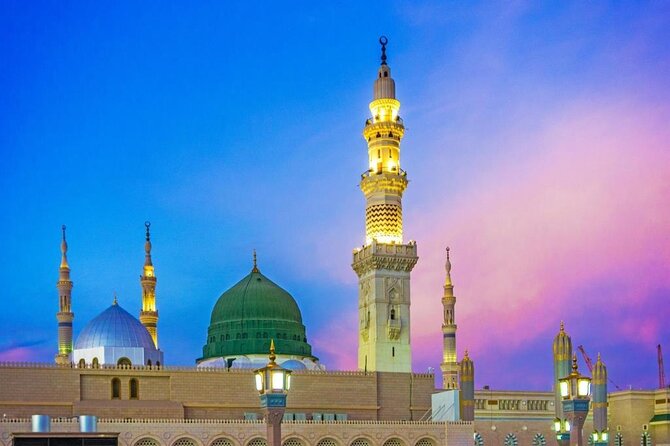
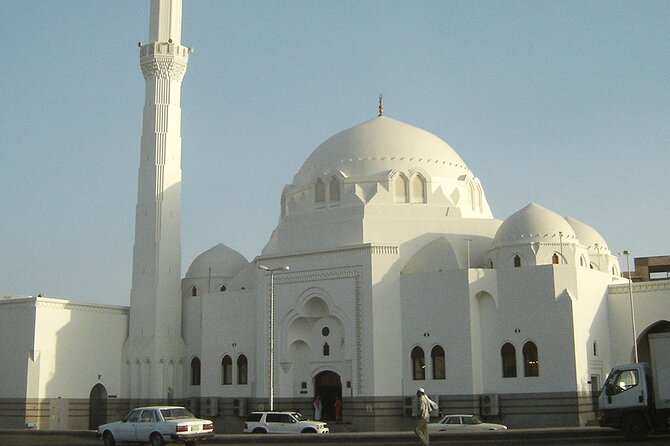
Masjid Jummah marks the location tied to the Prophet leading the first Jummah prayer shortly after the Hijrah to Medina. The story here is concrete: it’s a boundary of the city, and it’s tied to the early community gathering around leadership and Friday worship.
This stop is also useful for pacing. After moving from site to site, you get a “settle and pray” moment where the location is meaningful and not just photogenic. The tour info even notes the approximate number of early attendees connected to the Prophet’s relatives and companions, which gives the space a deeper feeling.
If you’re traveling with someone who appreciates context, ask for the short story of how this became a Friday tradition in Medina. If language is a challenge, you can still get value by focusing on prayer, the setting, and a few key facts your driver shares.
Masjid Quba and the feeling of early Medina
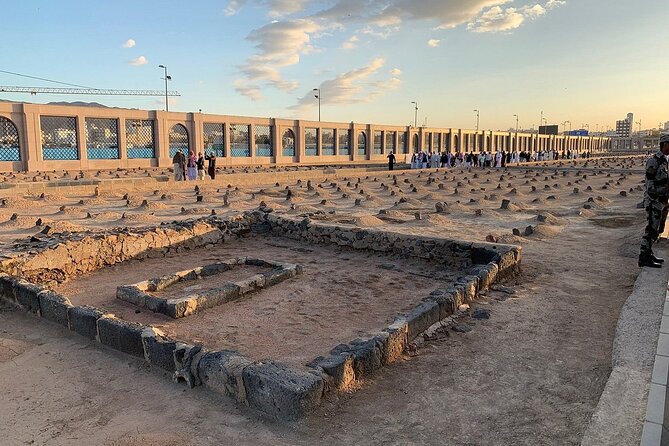
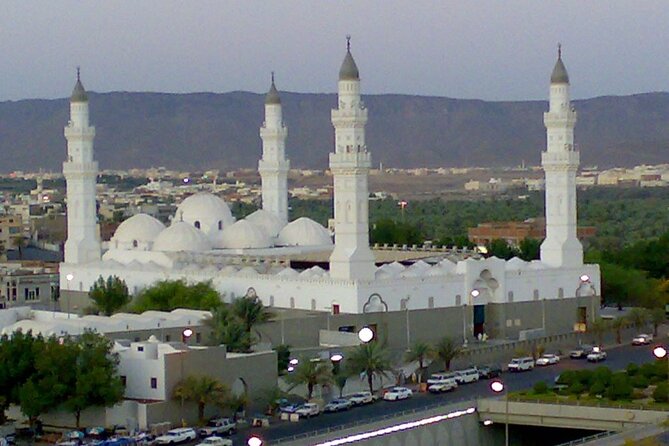
Masjid Quba is the first mosque built by Muslims, originally outside the growing city, then later incorporated as Medina expanded. That “outside at first, then within the city” detail is more than trivia. It helps you understand how places get absorbed as communities grow.
This is a strong stop for travelers who want something grounding. You’re not just ticking boxes. You’re visiting one of the early anchors of Islamic worship in Medina.
The visit time is short, so again, keep your expectations practical. You’ll want to be able to step in, pray, and take in the space without needing a long lecture. If your driver is attentive, ask for one or two key points, then let the mosque itself do the rest.
The Seven Mosques of Sab’u Masajid: why the name is a little odd
Sab’u Masajid is called the Seven Mosques, but the complex is described as six small mosques. The name stays “seven,” because one of the included mosques was Masjid al-Qiblatayn originally.
That little mismatch is actually a good example of how religious place names can carry older structures even when the present-day complex changes. When you’re there, you don’t need to obsess over math. Just treat it as a compact area that gathers multiple linked worship sites in one go.
This stop is brief, which is fine, because it’s more about having the experience than spending hours. If you want to pray, do it. If you want to connect the story to the places you already saw earlier in the route, use this time to tie it all together.
Garden and Masjid of Salman Al Farsi, plus the Imam Ali ring area
The route includes the Garden and Masjid of Salman Al Farsi, and it also references the Ring of Imam ALI as part of what you’ll see in that area. Salman Al Farsi’s reputation here is tied to service and strategic thinking, including the trench defense suggestion.
This stop is valuable because it adds a “character” story to the physical landmarks. Earlier stops focus on community turning points and key prayer traditions. This one adds the human thread, showing how one companion’s role became part of Medina’s story.
The tour info also indicates the admission here is included. So if you’re trying to keep your day simple financially, this stop helps. You won’t be scrambling for a separate ticket at the last minute.
Pickup, Ramadan traffic, and how to avoid a bad day
Medina traffic can be brutal, and the tour info is clear that during Ramadan the driver may arrive late at the pickup point. That doesn’t mean the tour will fail, but it does mean you should plan like a pro. Confirm the pickup time window and stay flexible.
There’s also an extra charge of 100 SAR for pickups from any airport or train station. If you’re arriving by air or rail, factor that in early so you don’t get surprised on arrival.
One more practical note: the tour mentions that the pickup is near public transportation, and there’s a mobile ticket. That combo usually works best if you can meet the driver at a simple, easy-to-find location rather than trying to pin them down at a crowded entrance.
Most importantly, double-check what you want out of the experience. Some guests described great coordination and smooth operations, while others felt they weren’t really getting a guided tour. Your best defense is clear expectations.
Car comfort and the guide experience: what the reviews reveal
Here’s where this tour can swing from excellent to frustrating. Several positive comments mention smooth operations, clean vehicles, and drivers who were patient and didn’t rush. One example name that came up clearly is Riaz, described as knowledgeable and patient. Another is Rizwan, who went out of his way, took guests to more places, and provided as much information as possible while allowing time for prayer at Masjid Quba.
Booking communication via WhatsApp was also praised by at least one guest, which matters because Medina plans can change fast. If you can message your driver and get quick replies, your day runs smoother.
On the negative side, a pattern appears: some guests said the driver spoke little English and the experience felt more like transport than a guided tour. Others reported delays and car condition issues, like a dirty interior or the wrong type of vehicle being provided. One guest even raised a serious concern about not being picked up at all.
So here’s my practical advice. Before you commit fully in your head, confirm three things by message:
- the meeting point
- the language level you expect
- that the driver will guide you through each stop, not just drop you off
If those points are uncertain, you may want to weigh the private-car convenience against the risk of a less guided day.
Who this tour fits best, and who should think twice
This tour suits you if you want a structured ziyarats route and prefer a private car over juggling taxis. It’s also a good match if you enjoy the major spiritual markers of Medina and you’re okay with shorter visits rather than long wandering.
It can also work well for couples or families who want shared time, because up to 3 people in one group keeps costs manageable per person. And the included AC vehicle is a real factor if you’re traveling in hotter months.
But I’d think twice if you’re expecting a consistently high-level guided narrative in a specific language. Some guests felt the explanation level did not match the price. If you’re very language-dependent, you might prefer a more consistently professional guide setup.
For solo travelers, I’d be extra careful about pickup confirmation. One serious negative account involved someone not being picked up despite calls and booking details. I can’t predict your experience, but this is exactly the kind of situation where solid confirmation makes the difference.
Should you book this Madinah Ziyarats private tour?
If you can accept a “driver-led” experience that focuses on transport and practical stop timing, this tour can be good value. The route covers the big names, it’s private, and the admission costs are mostly easy, with Mount Uhud as the main extra ticket and Salman Farsi admission included.
I’d recommend booking if:
- you want a short, organized ziyarats loop
- you’ll benefit from pickup and an AC car
- you’re traveling with 1 to 2 people and can share the group cost
- you’re willing to communicate clearly with your driver on expectations
I would not book, or I’d pause, if:
- you need a strong English-speaking guide for the full experience
- you’re the type who gets upset when a car quality or timing issue changes your day
- your schedule is strict and you cannot handle Ramadan traffic delays
If you do book, do it smart: message for the meeting point, confirm you’ll be taken to each key site you care about, and use al-Qiblatayn and Masjid Jummah as your “is this guided or not” markers. When it clicks, you get a smooth, meaningful Medina loop without wasting time. When it doesn’t, it can feel like you paid for convenience instead of interpretation.
More Saudi Arabia Tours
More Saudi Tours We Have Reviewed
Madinah and Its Historic Sites
Booked more recently: other tours across Saudi Arabia
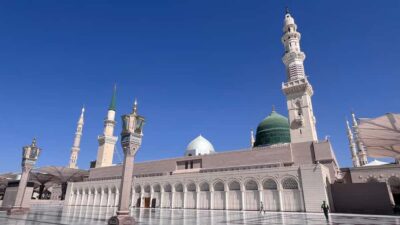
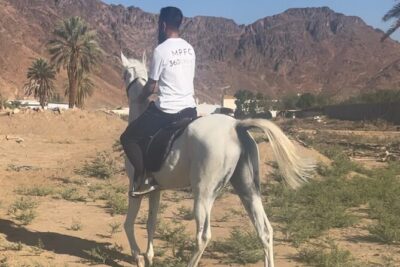
More in Madinah Ziyarah & Heritage Sites.
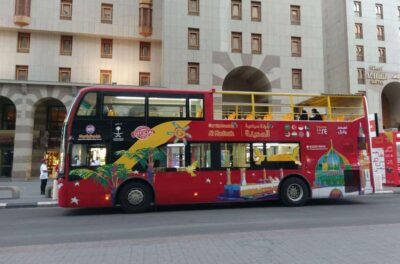 ★ 3.9City Sightseeing Hop-On Hop-Off Bus TourFrom $22148 reviews
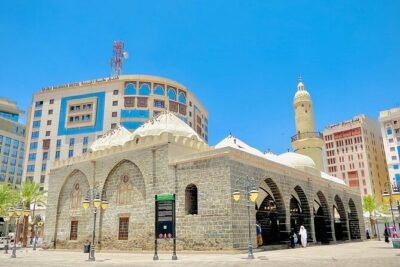 ★ 5.0Medina Unveiled Private TourFrom $160100 reviews
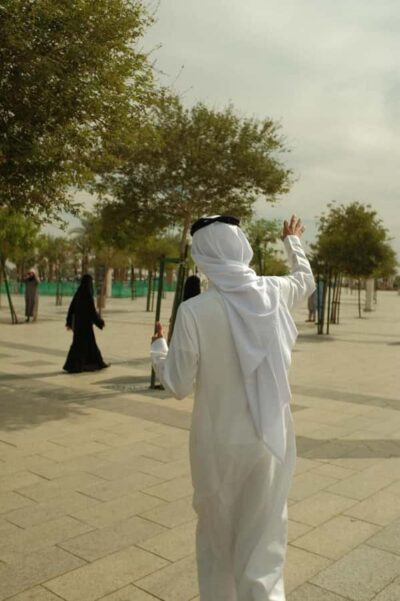 ★ 5.0Madinah Culture & History Tour – Led by Local GuideFrom $13674 reviews
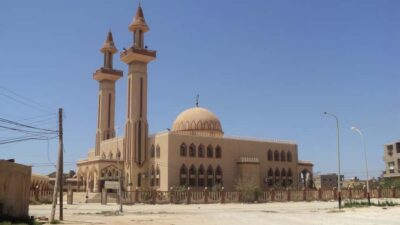 ★ 4.9From Madinah: Half-Day Ziarah TourFrom $2859 reviews
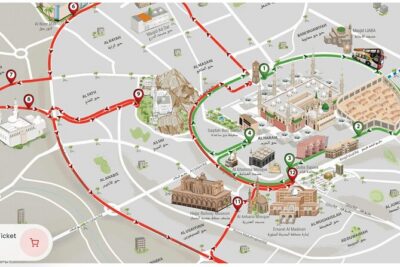 ★ 3.0City Sightseeing Al Madinah Hop-On Hop-Off Bus TourFrom $2250 reviews
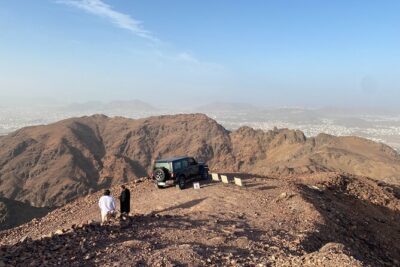 ★ 4.54WD Adventure in Uhud MountainFrom $7029 reviews
 ★ 5.0Madina: Guided Tour of the City’s Historical SightsFrom $9915 reviews
 ★ 4.6Prophet Biography Tour of MadinahFrom $2505 reviews
Also listed in