
REVIEW · MADINAH
Madina: Guided Tour of the City’s Historical Sights
Medina’s biggest stories fit into one day. This guided route strings together Masjid Imam Bukhari, the Battle sites around Uhud, and the War of Trench (Ghazwa Khandaq), then finishes with Masjid Quba and the wells tied to early faith. I like how it moves you from prayer spaces to open-air history, so the meaning sticks.
Two things I really like: the guide, often Uzair, keeps the day respectful and clear, and you get a small group setup that makes it easier to ask questions and stay comfortable. One possible drawback to plan for is logistics around water, since water at wells can be temporarily unavailable during maintenance.
In This Review
- Key things that make this Medina tour worth your time
- Why This Medina Route Works: Battles, Masajid, and Wells
- Small-Group Comfort and the Role of Your Guide (Uzair)
- Starting at Masjid Imam Bukhari: A Strong First Anchor
- Uhud and Shuhada: Graves, Mount Uhud, and Masjid Shuhada
- Ghazwa Khandaq and the Saba Masajid: Seven Names, One Theme
- Masjid Qibalatain and Masjid Jumah: Facing a Turning Point
- Masjid Quba and the Nafil Moment: Why It Feels Like a Shortcut
- Beer Ghars, Beer Al Khatm, and the Salman Farsi Well and Farm
- Price and Value: What $99 per Group up to 4 Gets You
- Practicalities That Make or Break the Day (Dress, Sun, Water)
- Who This Tour Suits Best (and Who Might Skip It)
- Should You Book This Medina Guided Tour?
- FAQ
- What sites are included on the tour?
- Do you visit Masjid an Nabawi?
- Is there any included prayer or religious moment during the tour?
- Are non Muslims allowed on this tour?
- What should I bring with me?
- What clothing is not allowed?
- Is water available during the day?
- Who is the tour not suitable for?
Key things that make this Medina tour worth your time
- Battle sites with named stops so you are not just sightseeing, you are orienting yourself to where key moments happened.
- Masjid visits that match the theme of the day: Bukhari, Uhud area, Ghazwa Khandaq, Qibalatain, Jumah, Quba.
- Practical religious moments like praying 2 nafil at Masjid Quba, described as equaling one Umrah.
- Wells and landmarks beyond the mosques including Beer Ghars and the Salman Farsi Well and Farm area.
- Comfort-focused small-group pace (price is per group up to 4), with safe driving and helpful communication reported by guests.
Why This Medina Route Works: Battles, Masajid, and Wells
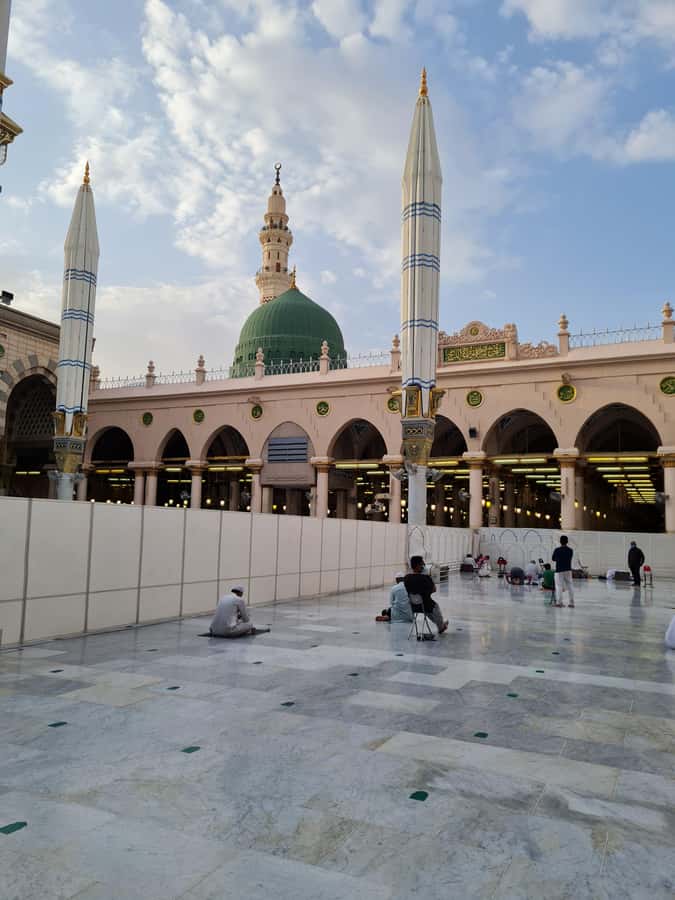
This tour is built around three big ideas. First, you start with major sacred places where visitors expect quiet time. Second, you go to the battle grounds linked to Uhud and Ghazwa Khandaq, including named masajid and shrines. Third, you end up at wells and landmark spots, like Beer Ghars and other water points, where history feels tangible.
That mix matters. If you only see mosques, Medina can feel like a checklist. If you only see battle areas, it can feel distant. Here, prayer and place connect. Even the way the day flows helps: you begin with Masjid Imam Bukhari, then shift to Uhud, then move to the trench sites, then return to prayer spaces at Qibalatain, Jumah, and Quba.
I also like the planning behind the sequence. Your eyes learn landmarks in order, so later stops make more sense. You are also not stuck jumping around the city without context, because the itinerary keeps the story in a straight line.
More Madinah visits taking in the historic sites of the city
- Medina Ziyarats ( Visit Holy Places)★ 4.2 · 4 reviews
Small-Group Comfort and the Role of Your Guide (Uzair)
The price is $99 per group up to 4. That small group cap is a real value point. With fewer people, it is easier to adjust pacing, stop when you need a photo, and get explanations that match your questions.
The guide is a big part of the satisfaction here. Many groups report Uzair as a calm presence with strong English communication, clear explanations at each stop, and a respectful tone around religious sites. You also get the feeling that he understands how to keep the day smooth, including safe driving and being punctual with pickup and drop-off.
If you prefer a tour where you are not just herded from one gate to the next, you will probably like this setup. It is structured enough to keep you moving through the main sights, but flexible enough that the guide can add meaning. Some groups also mention refreshments, which helps because Medina heat can make a long day feel longer.
Starting at Masjid Imam Bukhari: A Strong First Anchor
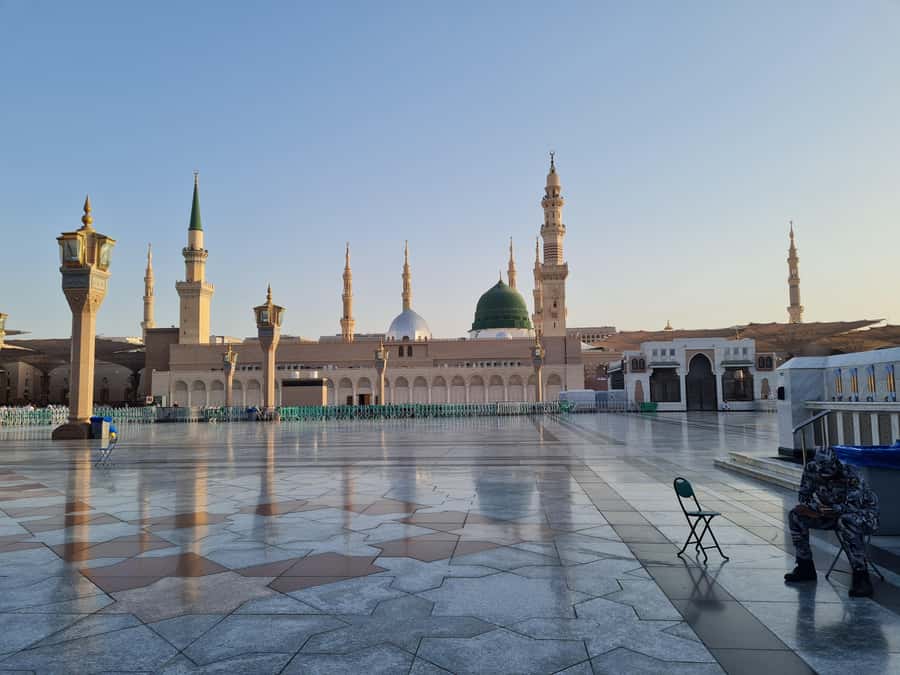
The tour begins with a visit to Masjid Imam Bukhari. This matters because it sets the mood before the outdoor battle stops. You start with a place that carries historical and spiritual weight, so the rest of the day feels grounded rather than rushed.
From there, you head toward Uhud and the related sites. The advantage of starting here is mental. You get your bearings in a sacred space, and then you can carry that focus outdoors when you move to Mount Uhud area and the graves connected with the battle.
Practical tip: treat the first masjid stop like your warm-up. Wear comfortable shoes, and keep your hat and sunscreen ready. You will appreciate that early rather than trying to manage sun and shade later when you are at outdoor landmarks.
Uhud and Shuhada: Graves, Mount Uhud, and Masjid Shuhada
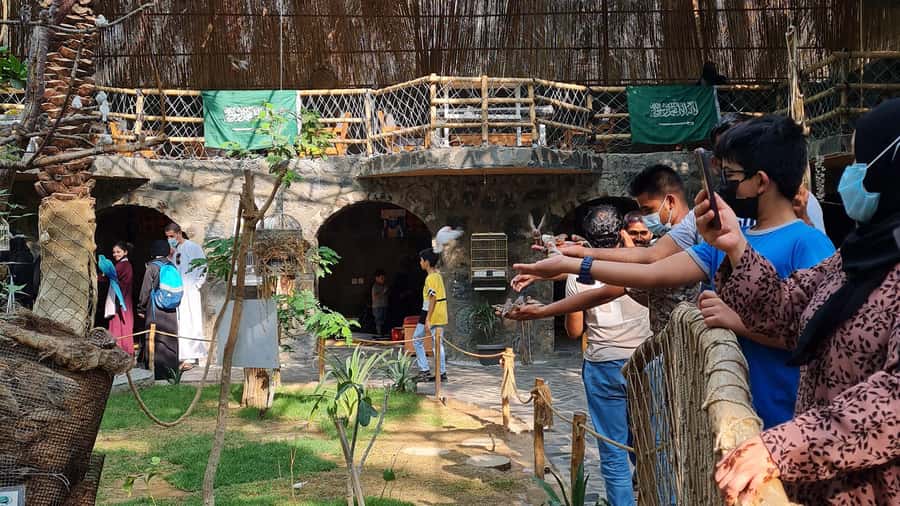
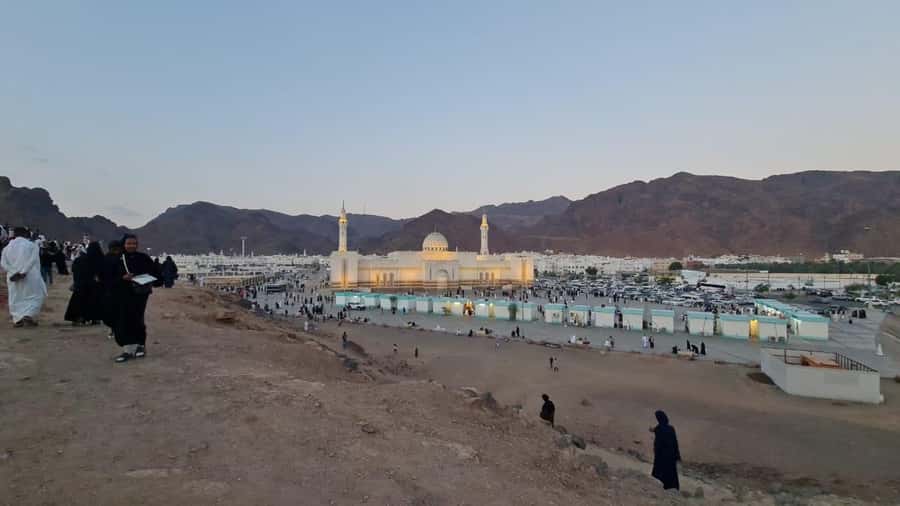
The Uhud segment is where the tour becomes very specific. You do not just hear about the Battle of Uhud. You visit the areas tied to it, including graves of Hazrat Ameer Hamza, Musab Bin Umair, and other Shuhada.
You also see Masjid Shuhada and the surrounding sights linked to the battlefield. The route includes Mount Uhud and Mount Rumah, plus the masjid area that helps you visualize how the land and the story connect.
A key benefit here is how the guide frames what you see. This is one of those days where names help. When you know who is connected to a grave, the visit changes from sightseeing into recognition. Even if you are not a history buff, the named elements make it easier to follow.
One consideration: Uhud includes outdoor viewing points. That means you should plan your pace and take breaks when you need them, especially if you are sensitive to heat. Comfortable shoes are not optional here.
Ghazwa Khandaq and the Saba Masajid: Seven Names, One Theme
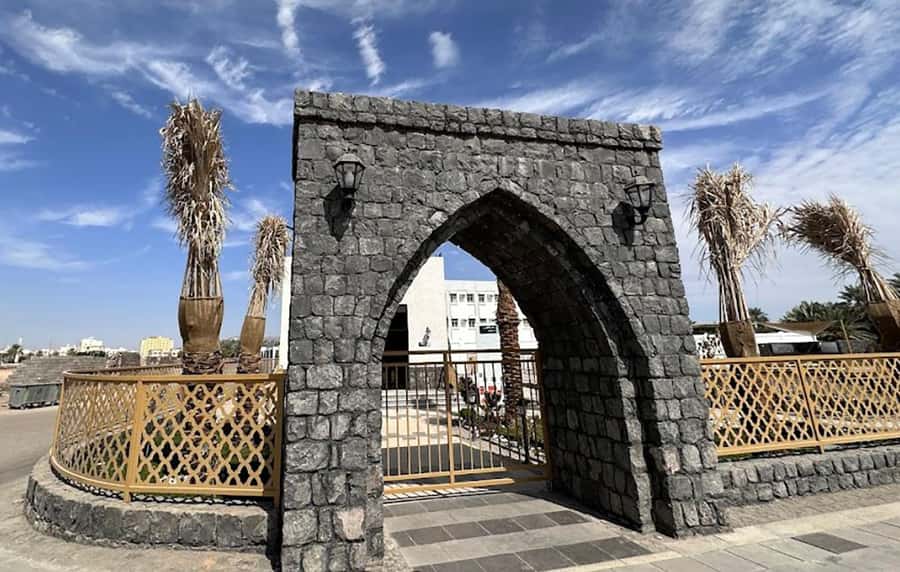
Next comes the War of Trench (Ghazwa Khandaq), a segment that balances prayer spaces and battle context. You will visit Masjid Fatha, which is also described with multiple names tied to a Seven Masajid location, and you will see Masjid Salman Farsi.
This part is valuable because it shows how Medina preserves the memory of events through places of worship. You are not only looking at a field, you are visiting masajid that represent the trench story and nearby sacred spots.
You also start practicing a kind of spiritual wayfinding. For example, at Masjid Fatha (Seven Masajid), there is included dua. That gives your visit a clear purpose beyond photos. You are there to reflect, not just to look.
And because the Seven Masajid area is referenced with different names, you may hear variations. The tour keeps it coherent by focusing on the actual place you visit, so you do not get lost in terminology. That makes a big difference if you have never been to this part of Medina before.
Masjid Qibalatain and Masjid Jumah: Facing a Turning Point
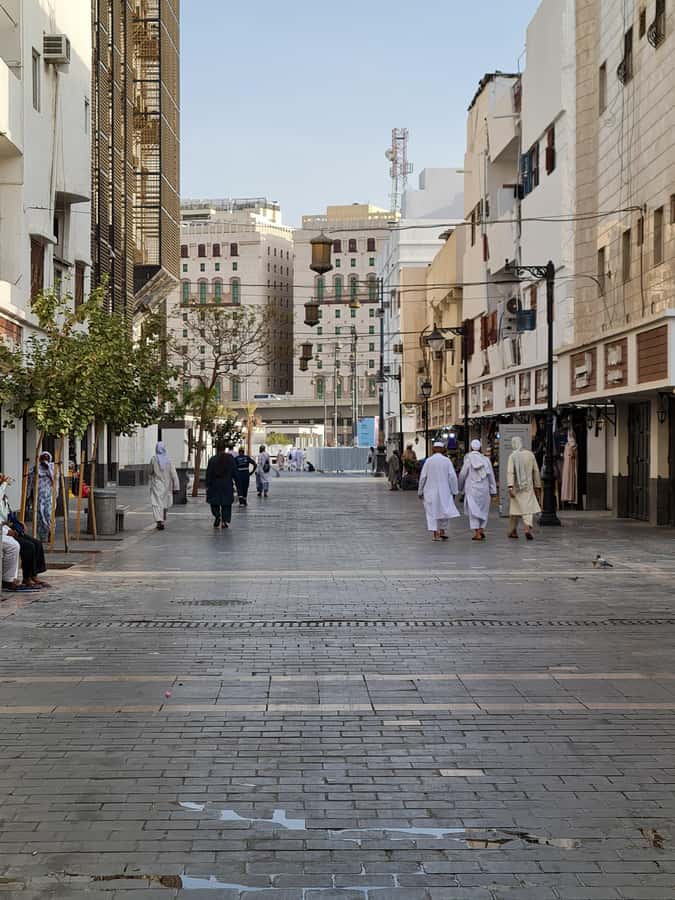
After the trench sites, the tour shifts back into prayer-centered stops. You visit Masjid Qibalatain and Masjid Juma. You also view the House of Atban Bin Malik from outside, and you see the Imam of Masjid Juma from outside.
Why this works on a guided day: after battle sites and terrain, you come back to the everyday spiritual rhythm of Medina. Qibalatain is a key location because it is associated with a major change in direction for prayer. Even if you do not know the full background, being there in person with a guide’s explanation helps you connect the spiritual concept to a physical place.
Masjid Jumah also adds context. The tour keeps it respectful by noting what you can see from outside. That is a practical reminder for first-timers in holy cities. You can still experience the meaning even if you are not spending long hours inside every structure.
Dress code matters here too. Medina religious sites have clear expectations, and you will want to be compliant so your day stays smooth.
Masjid Quba and the Nafil Moment: Why It Feels Like a Shortcut
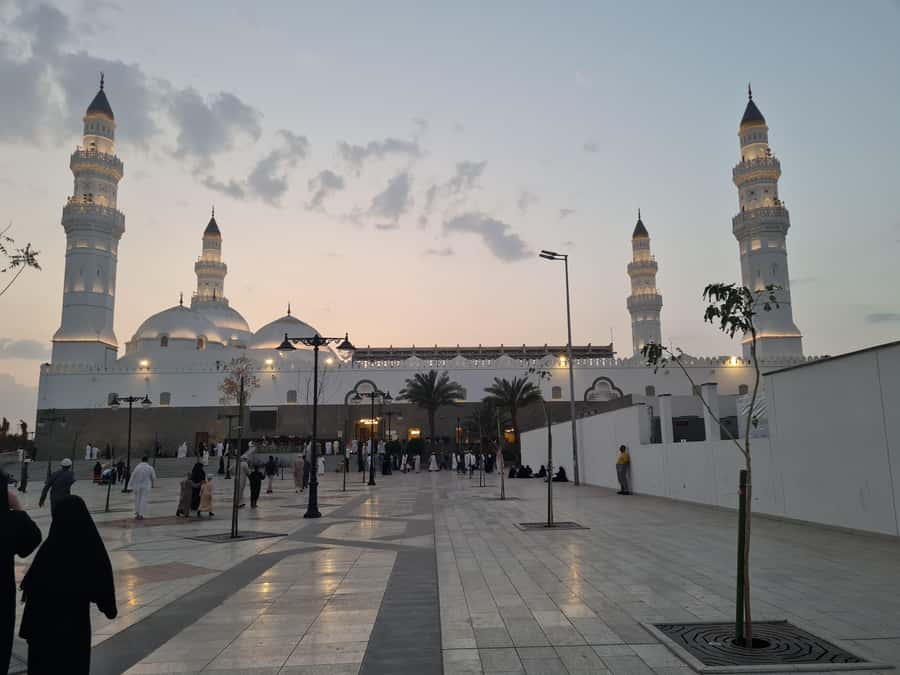
Then comes Masjid Quba. This is one of the tour’s standout highlights because the itinerary explicitly includes a religious action: pray 2 nafil at Quba Mosque, described as equaling to one Umrah.
That is not a small detail. When a tour includes a specific prayer moment tied to a strong spiritual value, you are not just filling time. You are using the trip for something personal and meaningful.
I like that the tour frames Quba as more than a landmark stop. It is a focused finale that gives you a clear way to participate. If you want your Medina day to feel purposeful, this is where that purpose becomes concrete.
Practical note: even on a religious visit, keep your comfort basics. Bring a hat, sunscreen, and water. The tour notes that water might not always be available at wells during maintenance, so do not rely on refill points as your only plan.
Beer Ghars, Beer Al Khatm, and the Salman Farsi Well and Farm
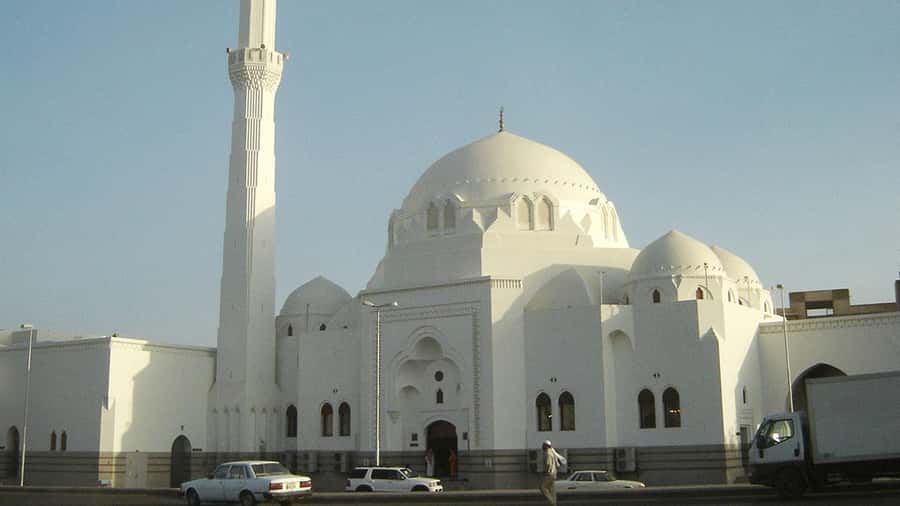
The tour also includes water-related heritage sites. You will see Beer Ghars, and the overview also mentions Beer Al Khatm, the well where the ring fell. You will also visit the Salman Farsi Well and Farm.
This section is more interesting than it sounds on paper. Water points are where daily life becomes history. When you connect faith stories to real wells and places tied to early practice, Medina becomes less abstract.
You may also have time around As Saffiyyah Museum and the International Fair and Museum area, and the tour specifically calls out those as sights you will see. Even if you are not a museum person, stopping near places like these helps round out the day, so it is not only mosques and battle grounds.
If you are thinking about your energy level, this is also a good place to pace yourself. Wells and museum areas tend to involve walking and standing outdoors more than inside. So keep your shoes comfortable and your sun protection ready.
Price and Value: What $99 per Group up to 4 Gets You
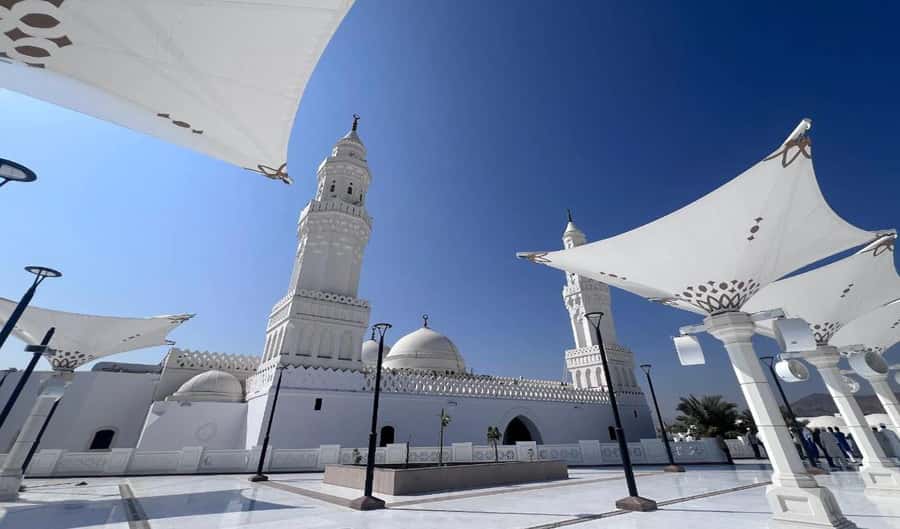
At $99 per group up to 4, you are paying for more than transport. You are paying for a planned route that hits major Medina milestones: Masjid Imam Bukhari, Uhud battle sites including key graves and Masjid Shuhada, Ghazwa Khandaq areas including Masjid Fatha and Masjid Salman Farsi, then Masjid Qibalatain and Masjid Jumah, and finally Masjid Quba plus wells like Beer Ghars and the Salman Farsi Well and Farm.
The value shows up in three places.
First, you do not have to piece together locations. The itinerary is structured around a story line from battles to prayer to spiritual reward at Quba.
Second, the guide’s role is practical. Groups describe Uzair as communicative, friendly, and patient, with explanations in English. That kind of clarity turns a complicated city into something you can actually follow.
Third, the small-group format is a cost saver in time and stress. You avoid the feeling of losing your place in a large crowd.
The main trade-off is that you are doing a lot of stops in one day, so you need to be ready for heat, walking, and strict site rules. If you want a slow, sit-down day with long breaks, this may feel busy. If you want a high-impact route with meaning, it is a strong fit.
Practicalities That Make or Break the Day (Dress, Sun, Water)
Holy cities are not the place to improvise your outfit plan. The tour includes clear rules on what is not allowed: shorts, smoking, short skirts, alcohol in the vehicle, and see-through clothing.
It also gives specific guidance for non Muslims. Medina requires respect in dress, and for women that includes covering hair with a cloth, meaning hijab. If women wear shorts, tights, jeans, or T-shirts, you are expected to wear an abaya, a black dress used in Arab countries. If you do not have one, the tour notes you can buy one from shops and that they are not expensive. Men should avoid shorts and wear decent clothing.
I also advise you to pack for sun and standing. The tour suggests comfortable shoes, a hat, camera, sunscreen, and water. That is not just generic advice. Outdoor battlefield viewpoints and well areas can take the edge off your mood if you show up unprepared.
One more reality check: water is not always available to drink due to maintenance work at wells. So I would treat water as a personal responsibility, not a guaranteed feature.
Who This Tour Suits Best (and Who Might Skip It)
This experience is a strong match for:
- First-time visitors to Medina who want the core historical and religious sites in one organized route.
- People who prefer a guided narrative, not just directions.
- Families and small groups up to 4, where the small-group pace feels more personal.
It is not suitable for:
- Pregnant women.
- People over 70.
That makes sense because the day includes multiple stops, including outdoor battle-viewing areas.
If you are traveling with less mobility, the walking and standing may be challenging. In that case, consider whether you can keep up with outdoor segments like Mount Uhud and other external landmarks. Comfortable shoes and a slower pace with the guide can help, but the overall structure is still active.
Should You Book This Medina Guided Tour?
If your goal is to understand Medina as a living story, this tour is a good bet. You get the named battlefield stops at Uhud and the trench area, you return to key prayer spaces like Qibalatain and Jumah, and you finish with Masjid Quba where the itinerary includes praying 2 nafil with a spiritual equivalency you can actually participate in.
I would book it if you like clear guidance and you want a route that feels purposeful, not random. I would think twice if you want a low-effort day, because there are outdoor segments and strict site expectations. Also plan around water access during maintenance, and dress early so you are not sorting clothing mid-day.
If you want, tell me your travel dates and whether you are Muslim or non Muslim. I can help you plan a dress and packing checklist that fits the rules provided for this specific tour day.
FAQ
What sites are included on the tour?
The included stops are Masjid Imam Bukhari, Battle of Uhud sites, Battle of the Trench (Ghazwa Khandaq), dua at Masjid Fatha (Seven Masajid), Masjid Qibalatain, Masjid Quba, Masjid Jumah and the house of Atban Bin Malik from outside, Beer Ghars, and the Salman Farsi Well and Farm.
Do you visit Masjid an Nabawi?
The tour plan describes passing by Al Masjid an Nabawi, and then visiting Masjid Imam Bukhari and the other listed sights.
Is there any included prayer or religious moment during the tour?
Yes. You are guided to pray 2 nafil at Masjid Quba, which the tour materials describe as equaling one Umrah. There is also dua at Masjid Fatha (Seven Masajid).
Are non Muslims allowed on this tour?
The tour includes specific dress guidance for non Muslims, which indicates non Muslims can participate. It emphasizes covering hair with a cloth or hijab.
What should I bring with me?
You should bring comfortable shoes, a hat, a camera, sunscreen, and water.
What clothing is not allowed?
Shorts, smoking, short skirts, see-through clothing, and alcohol in the vehicle are not allowed.
Is water available during the day?
Not always. The tour notes that at some times water may not be available to drink due to maintenance work at wells.
Who is the tour not suitable for?
The tour is not suitable for pregnant women and for people over 70 years old.
More Saudi Tours We Have Reviewed
Madinah and Its Historic Sites
Booked more recently: other tours across Saudi Arabia
More in Madinah Ziyarah & Heritage Sites.
 ★ 3.9City Sightseeing Hop-On Hop-Off Bus TourFrom $22148 reviews
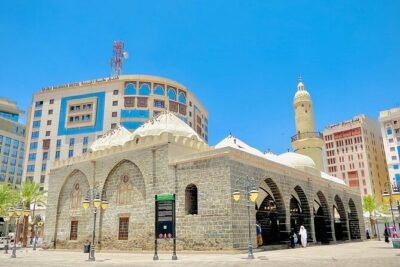 ★ 5.0Medina Unveiled Private TourFrom $160100 reviews
 ★ 5.0Madinah Culture & History Tour – Led by Local GuideFrom $13674 reviews
 ★ 4.9From Madinah: Half-Day Ziarah TourFrom $2859 reviews
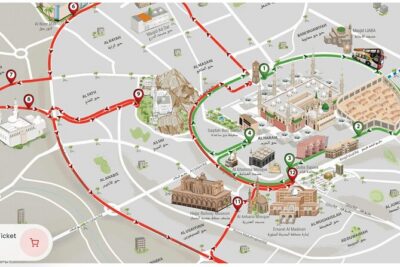 ★ 3.0City Sightseeing Al Madinah Hop-On Hop-Off Bus TourFrom $2250 reviews
 ★ 4.54WD Adventure in Uhud MountainFrom $7029 reviews
 ★ 3.5Madinah Ziyarats (Private tour)From $9226 reviews
 ★ 4.6Prophet Biography Tour of MadinahFrom $2505 reviews