
REVIEW · RIYADH
Riyadh: Historical City Full-Day Guided Tour with Transport
Riyadh has layers, and this day shows them fast. You get a tight loop through key landmarks and markets, with hotel pickup and drop-off that keeps the day from turning into logistics soup.
What I really like is the mix of big-picture learning and real places. First, the National Museum of Saudi Arabia is one of the best structured history stops in Riyadh, with galleries laid out in a clear timeline.
Second, you also get the human, tactile side of the city at Dira Souq and Al Masmak. The main drawback to consider is the guide experience can vary, with some English challenges and less interaction than you might expect.
In This Review
- Key highlights worth putting on your Riyadh map
- How the tour works, and why the format matters
- Riyadh pickup to the National Museum: start with context
- Inside the National Museum: eight halls and some jaw-dropping objects
- King Abdulaziz Historical Park gardens: a breather between heavy exhibits
- Hall of King Abdulaziz: the old car showroom angle works
- Murraba Palace: Najdi style and photo-friendly interiors
- Dira Souq: where copper, brass, silver, and sandalwood take over
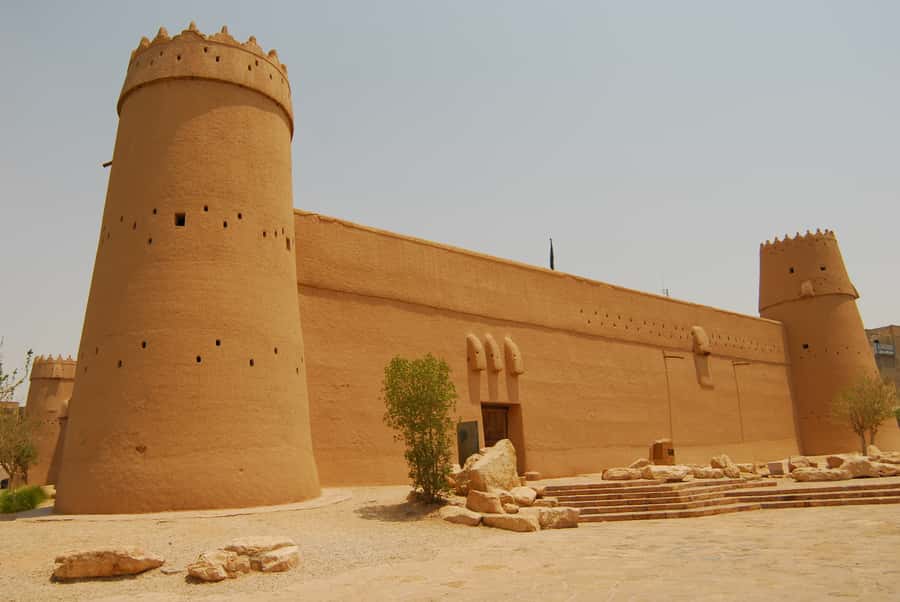
- Al Masmak fortress: the capture story, told with artifacts and a spearhead
- Al Rajhi Mosque photo stop: a calm finish with a landmark view
- Tour leader quality: what you can expect, and how to get the best version
- Price and value: is $250 worth it for a 6-hour history circuit?
- Who this tour fits best (and who might want a different style)
- Should you book this Riyadh Historical City full-day guided tour?
Key highlights worth putting on your Riyadh map
- National Museum timeline galleries: eight major halls that organize Saudi history from pre-Islamic periods through unification and Hajj.
- Park time after the museum: outdoor walks in King Abdulaziz Historical Park, a rare calm break in a city day.
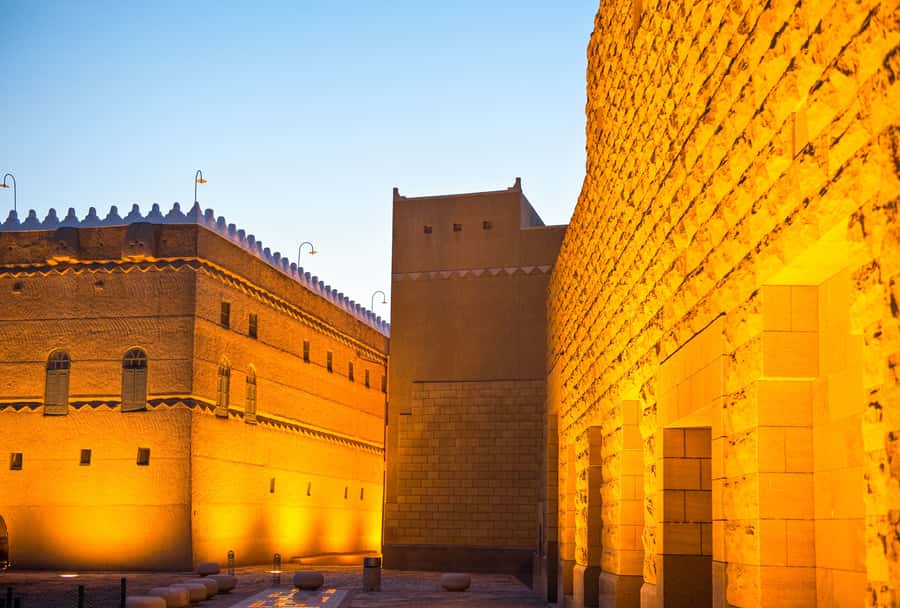
- Murraba Palace photo stop: a Najdi-style palace built with local building materials, meant for King Abdulaziz’s family.
- Dira Souq traditional shopping: copper, brass, and silver items, plus a noticeable sandalwood fragrance as you enter.
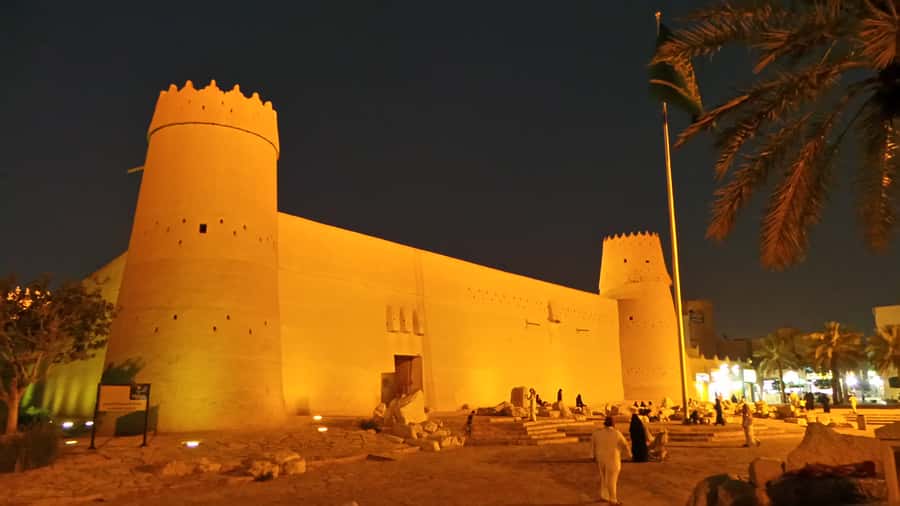
- Al Masmak fortress storytelling: museum-style exhibits plus a short re-enactment of the fortress capture, with the spearhead still embedded in the wooden gate.
- Small group feel (up to 5): enough intimacy for questions, without the drag of a huge bus.
How the tour works, and why the format matters
This is a 6-hour full-day guided loop built to reduce friction. You’re picked up from your Riyadh hotel, then transported by an air-conditioned van, with drop-off back at the end.
The small group size, limited to 5 participants, changes how the day feels. You’re not just a seat on a schedule. You can usually ask practical questions while moving between sites, especially at museums where details matter.
The tour is also flexible. If you want a slightly different emphasis, you can ask the leader to adjust your day within reason.
Other ways to see Riyadh in a day, from the towers down
- Riyadh: Full-Day Riyadh Exploration Tour with Optional Lunch★ 4.2 · 28 reviews
- Riyadh Full City Tour★ 5.0 · 22 reviews
- Riyadh City Tour with Camel Riding★ 5.0 · 13 reviews
- Half Day Tour Discovering the History of Riyadh★ 5.0 · 6 reviews
- Riyadh: Historical City Full-Day Guided Tour with Transport★ 4.0 · 4 reviews
Riyadh pickup to the National Museum: start with context
The day starts moving right away, and your tour leader talks you through what you’ll see along the route. That matters because Riyadh can feel modern on the surface, but the places you visit are anchored in older stories.
The first big stop is the National Museum of Saudi Arabia, part of the King Abdulaziz Historical Center. The museum was established in 1419, and it’s designed to give you the kingdom’s formation and political story, not just a pile of artifacts.
It helps that the museum is laid out in a chronological way. If you like history that makes sense in order, you’ll enjoy this even if you’re not a museum person.
Inside the National Museum: eight halls and some jaw-dropping objects
If you want one stop that makes everything else click, make it the museum. The exhibits are organized into eight main halls, each with a distinct focus:
- Hall of Man and the Universe
- Arab Kingdoms
- Pre-Islamic Era
- Prophet’s Mission
- First Saudi State
- Unification of the Kingdom
- Hall & Hall of Hajj and Two Holy Mosques
That structure is practical. It prevents the usual problem where you wander randomly and forget what you saw five rooms ago.
What I love is how the museum balances documents, antiques, and larger storytelling. You’ll be guided through examples of manuscripts and documents arranged chronologically, which gives you a sense of how the story developed over time.
There are also standout objects that are easy to remember. You might see:
- a prehistoric elephant skeleton
- a huge meteor found in the Empty Quarter
- rock graffiti from the Hejaz region dating to pre-Islamic times
- a copy of the Rosetta stone
- an example of Madaian Salah rock-cut tombs
- examples of Arabian and Islamic art and architecture
That last point is important. This isn’t just political history. It also shows artistic and architectural traditions, so the kingdom’s story feels grounded in culture and design, not only dates and rulers.
One small caution: this museum packs information. If you like to read every label, plan to move at your own pace. If you prefer highlights, follow your guide’s flow and come back for 10-minute extra time once you understand the layout.
King Abdulaziz Historical Park gardens: a breather between heavy exhibits
After the museum, you’ll take a walk through the outdoor gardens in the National Museum Park area. This is one of the best transitions in the itinerary: you stop absorbing information and switch to walking, sunlight, and open space.
King Abdulaziz Historical Park is an open area you can enjoy with family, so it feels less rigid than the indoor galleries. Even for a solo or couple visit, it gives you a reset before the next palace and fortress stops.
If you visit Riyadh during hot weather, that outdoor pause can either be a delight or a quick sprint. Bring water, and keep an eye on how you feel as the day builds.
Hall of King Abdulaziz: the old car showroom angle works
Next up is the Hall of King Abdulaziz, where you’ll see a showroom of old cars used by King Abdulaziz.
At first, that sounds niche, but it works because it adds a human detail. You’re not only looking at political artifacts. You’re looking at everyday movement, the vehicles that carried a leader through life and governance.
This hall is also a good change of pace after the museum’s dense displays. If you want your history to have personality, this kind of exhibit helps.
Other Saudi tours with a guide doing the talking
- Riyadh: Edge of the World Private Guided Tour with dinner
★ 4.7 · 13 reviews - Historical Riyadh Self-Guided Audio Walking Tour
★ 3.5 · 11 reviews - Riyadh: Historical City Full-Day Guided Tour with Transport
★ 4.0 · 4 reviews - Riyadh: King Fahad National Library Guided Tour
★ 4.5 · 3 reviews
Murraba Palace: Najdi style and photo-friendly interiors
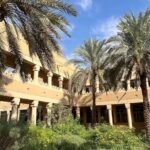
Then you head to Murraba Palace, described as one of the most important palaces built by King Abdulaziz. It was built to accommodate his family, and that home-life purpose shows in the feel of the place.
One key detail: it was built on local Najid style using local building material only. That’s the kind of “why it matters” fact that changes how you look at architecture. You’re seeing a regional identity expressed in construction choices, not a generic grand building.
You’ll also get time for amazing photos inside Murraba Palace. If you like to document your day, this is one stop where your camera will actually get good material, not just dim hallways.
Dira Souq: where copper, brass, silver, and sandalwood take over
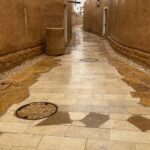
After the palaces, the day turns hands-on at Dira Souq, a traditional Saudi market. This is where history stops being only dates and turns into trade, crafts, and everyday objects.
Dira Souq is famous for old copper and brass items, including things like:
- silver daggers
- silver Bedouin jewelry
- traditional dresses
You’ll also notice a sandalwood fragrance when entering from the main access. That’s not a small detail. It creates the kind of sensory memory that helps you remember the place long after you leave.
If shopping is your thing, Dira Souq is a smart move because you’re not hunting for a random souvenir. You’re browsing heritage-style goods tied to regional craftsmanship. You might find antique carpets and other heritage antiques too.
One practical tip: set a budget before you start browsing. Markets can make you want everything at once, and your day is only 6 hours. If you spend too long comparing prices, you might feel rushed at Al Masmak later.
Al Masmak fortress: the capture story, told with artifacts and a spearhead
Next is Al Masmak, a fortress that connects Riyadh’s modern identity to its earlier roots. You’ll explore exhibitions with maps and photographs, plus historical artifacts, artworks, and audiovisual attractions.
There’s a short documentary that re-enacts the capture of the fortress by King Abdulaziz. The dramatic touch is that his spearhead is still embedded in the wooden gate. That kind of physical detail gives the story a sharper edge, because it’s not just a reenactment. It’s anchored in a specific object.
You’ll likely spend time moving through displays, watching media, and then stepping back to see the fortress context. It’s one of those stops where you get more from your brain if you let your eyes move between exhibits and the space itself.
If your guide is active and engaging, this is also where their explanation can make or break your experience. Al Masmak is where storytelling matters most.
Al Rajhi Mosque photo stop: a calm finish with a landmark view
The day closes with a photo stop at Al Rajhi Mosque, one of the most famous and largest mosques in Riyadh. Even if you only get a stop-and-shoot moment, it’s a solid final contrast to the older forts and markets.
This is a good end point because the heavy context of history is already in your head. You’re not learning as much now. You’re soaking in scale and finishing the day with something visually memorable.
Tour leader quality: what you can expect, and how to get the best version
The tour includes an English-speaking tour leader/driver, and it’s also offered in English and Arabic. The format suggests you’ll get explanations on the way between stops, so you’re not just transported and dropped.
Here’s the balanced bit. One downside to keep in mind is that guide engagement can be uneven. In at least one experience, the guide was local but had difficulty with English and spent time on a phone instead of fully guiding the group.
What does that mean for you? If you’re the type who wants lively commentary and lots of back-and-forth questions, consider messaging beforehand with your preferences, like how much you want spoken narration versus self-guided wandering time.
Even with a less talkative guide, the sites do the heavy lifting. The National Museum, Dira Souq, and Al Masmak are strong anchors.
Price and value: is $250 worth it for a 6-hour history circuit?
At $250 per person for a 6-hour guided tour, you’re paying for more than sightseeing. The value comes from the package nature of it: hotel pickup and drop-off, modern air-conditioned van transport, an English-speaking leader, and entrance fees, plus service charges and taxes.
That means you are not paying separately for transportation logistics or entrance tickets across multiple sites. You also get a tight route with minimal downtime, which matters in Riyadh where distances can eat your day.
This price can feel high if you love independent travel and would rather pay for only one ticket and explore at your own speed. But if you want a pre-built route that gives you structure, this is a reasonable way to spend a limited day.
The small group size also helps justify the cost. You’re up to 5 people, not 20, so the experience can feel more personal.
Who this tour fits best (and who might want a different style)
This tour is ideal if you:
- want a single-day overview of historic Riyadh
- enjoy museums with organized timelines and major artifacts
- like pairing architecture stops (Murraba Palace) with market culture (Dira Souq)
- want photo opportunities at multiple points without planning a route
It may be less ideal if you:
- prefer very interactive guides with strong English delivery all day
- want long time at just one place, like only shopping or only museum time
- don’t like structured schedules and prefer wandering at your own rhythm
Should you book this Riyadh Historical City full-day guided tour?
I’d book it if you want a clear, efficient day that covers the big names: National Museum, Murraba Palace, Dira Souq, Al Masmak, and Al Rajhi Mosque. The itinerary has a smart balance of timeline history, architecture, and real market life, and the included transport plus entrance fees makes it easier to commit to a plan.
I’d hesitate only if your top priority is a highly animated, fluent guide for every stop. If that matters a lot to you, ask the provider about English-style narration before you go, and plan to enjoy the sites even if the commentary is lighter than you hoped.
If you like well-chosen highlights and you have one day in Riyadh, this is a solid use of it.
More Saudi Arabia Tours



More Saudi Tours We Have Reviewed


Seeing Riyadh in a Day
Booked more recently: other tours across Saudi Arabia

More in Riyadh Capital Sightseeing Tours.
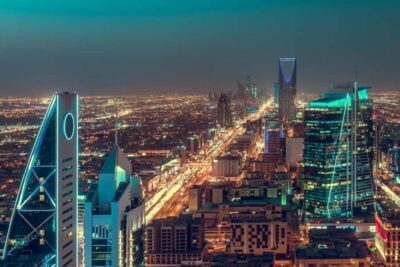 ★ 4.2Full-Day Riyadh Exploration Tour with Optional LunchFrom $12128 reviews
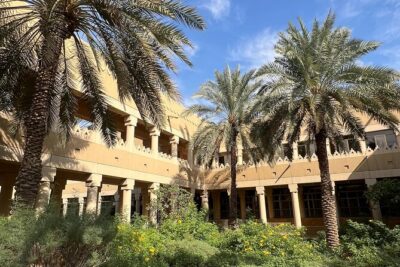 ★ 5.0Riyadh Full City TourFrom $17922 reviews
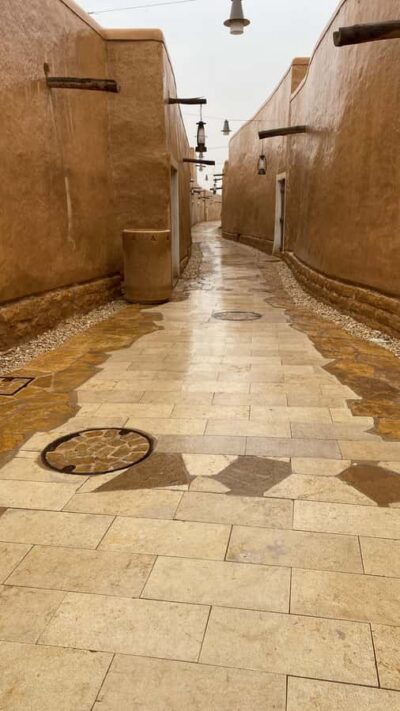 ★ 4.9VIP Private Riyadh Experience with Saudi Meal & PickupFrom $18822 reviews
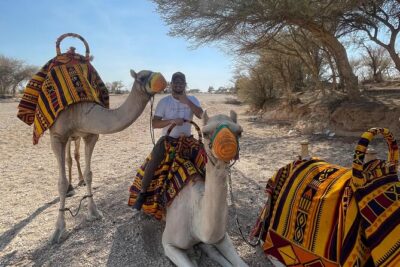 ★ 5.0Riyadh City Tour with Camel RidingFrom $10013 reviews
 ★ 5.0Half Day Tour Discovering the History of RiyadhFrom $4506 reviews
 ★ 4.5Half Day in Riyadh, Almasmak, National Museum, Kingdom TowerFrom $2704 reviews
 ★ 4.8Full Day City Tour Guided with TransportFrom $1853 reviews