
REVIEW · JEDDAH
Half Day Jeddah Traditional City Tour
Jeddah history in four hours. This half-day Traditional City Tour strings together Old Jeddah street scenes with architecture at Beit Nassif, then ends along the Corniche for coastal sightseeing.
I love the English or Arabic guide option, and I love that the tour includes direct hotel transfers plus entrance fees, so you are not hunting tickets all morning.
The main catch is timing, it can feel a little fast, with you seeing a lot of highlights rather than taking your time in every stop.
In This Review
- Key things I’d plan around
- Old Jeddah, Al Balad, and the architecture you can actually see
- Beit Nassif and the Baghdadi house: more than pretty stops
- Tahlia Street and city-scale context before the old corners
- Tayyebat Museum: 2,500 years, inside traditional Hijazi architecture
- Old gold market on Gabel Street: a real-world shopping culture moment
- Ukash Mosque and the religion-and-streets rhythm
- Super DOME photo stop and the Islamic Art Museum
- Jeddah Corniche, King Fahd’s Fountain, and the coastal landing
- Price and logistics: is $51 worth a half-day like this?
- What to pack and how to make it feel less rushed
- Who this tour suits best
- Should you book this Jeddah Traditional City Tour?
- FAQ
- What time does the half-day Jeddah Traditional City Tour start?
- How long is the tour?
- Is hotel pickup included?
- What language is the guide?
- Which main sights are included?
- Are entrance fees included in the price?
- Is food or drinks included?
- What if I need to cancel or the weather is poor?
Key things I’d plan around
- English or Arabic speaking support makes old-city history easier to follow
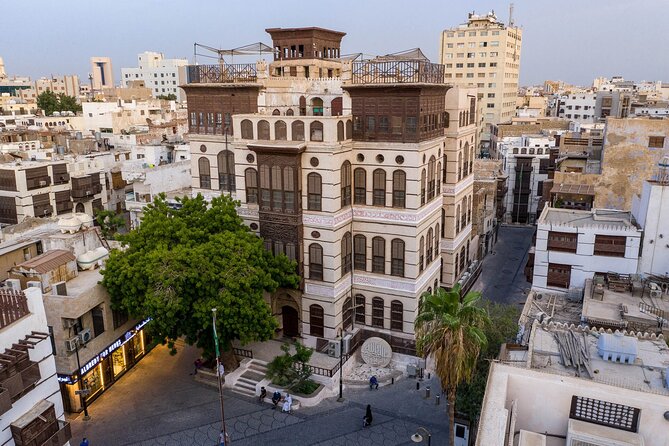
- Old Jeddah focus with stops around Al Balad, Beit Nassif, and the Baghdadi house
- Tayyebat Museum in traditional Hijazi architecture for a deeper look at Jeddah’s past
- Old gold market on Gabel Street plus the Ukash Mosque as a cultural pairing
- Corniche ending views with a photo stop at Super DOME and stops near major waterfront landmarks
Old Jeddah, Al Balad, and the architecture you can actually see
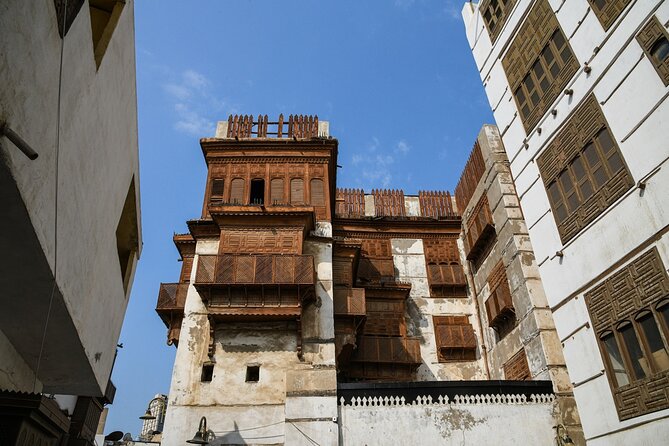
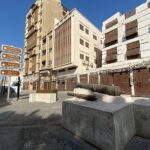
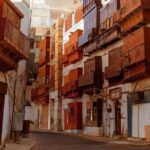
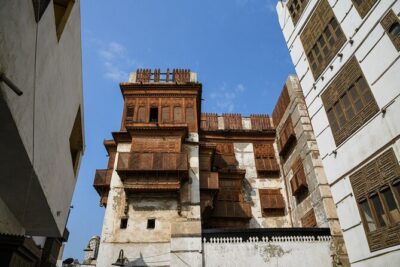
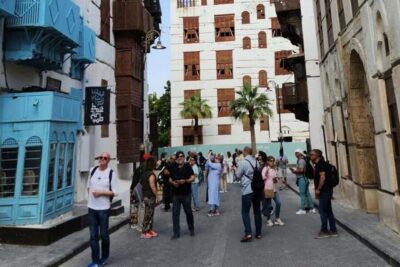
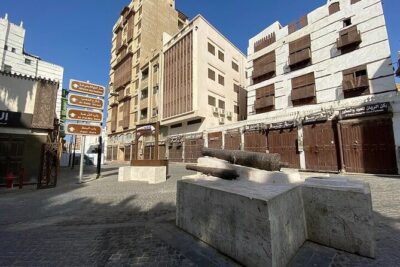
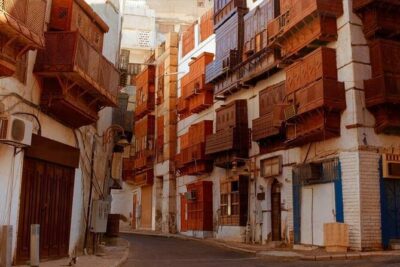
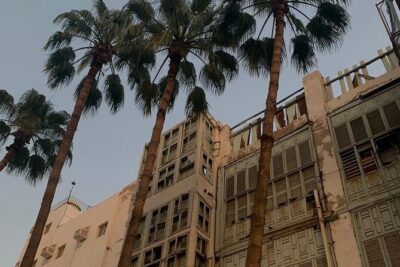
Old Jeddah is the main show here, and the tour keeps you moving through Al Balad area streets where architecture tells you what the city was built for. You start with the traditional sights clustered around Beit Nassif and the Baghdadi house, then work your way toward the markets and religious landmarks.
One reason this works well for a half-day is that you get a mix of “look with your eyes” and “understand with your guide.” You will not just pass facades, you should get quick context about why buildings look the way they do and how this neighborhood shaped daily life. If you are the type who likes to read buildings like pages, you will probably enjoy this flow.
The practical side matters too. Hotel pickup and direct transfer mean less time figuring out transport. And with a guide who can work in English or Arabic, you are not stuck translating on the fly when you reach the older corners.
More Jeddah days with a local guide leading the way
- Historical & Heritage Tour in Jeddah Al Balad★ 5.0 · 57 reviews
- Jeddah Historical and City Tour★ 4.0 · 15 reviews
- discover Jeddah city★ 4.5 · 13 reviews
- Jeddah : Jeddah’s Traditional Tour★ 3.7 · 11 reviews
- Full Day Guided Jeddah City Tour★ 5.0 · 10 reviews
Beit Nassif and the Baghdadi house: more than pretty stops
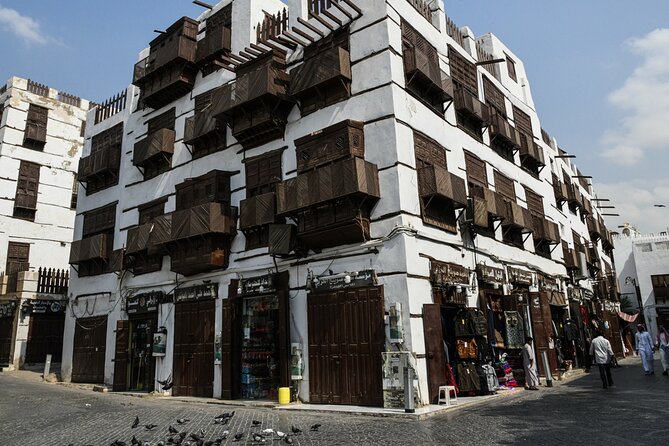
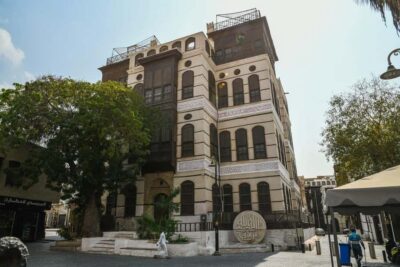
The stops around Beit Nassif and the Baghdadi house are your architecture anchor points. Even if you do not know a single detail going in, these places help you get oriented fast. The style, the street layout, and the way the buildings sit relative to the road all feed your understanding of Al Balad.
What I like about this part is that it sets you up for the rest of the tour. When you later hit the Old gold market and Ukash Mosque, you are already primed to notice the neighborhood’s pattern, how public life and faith fit into the same blocks, and why markets matter in a city like Jeddah.
The one thing to keep in mind is how much you can realistically absorb in a 4-hour window. You might get a good snapshot, but you may not get long, slow wandering. If you want extra time, plan to revisit Al Balad on your own afterward, or ask your guide for the one area you should prioritize.
Tahlia Street and city-scale context before the old corners
Before you spend your focus on Al Balad, you also get time with the wider city picture, including a stop-by view along Tahlia Street. This part helps you understand how Jeddah has grown, and it makes the contrast between older districts and newer areas feel obvious rather than confusing.
I think this is a smart warm-up. You get motion, you see the types of shops and dining you will run into elsewhere, and you start to feel where the city’s energy comes from. Then when you shift into the older streets, it feels less like you teleported and more like you stepped backward through time.
If you prefer quiet sightseeing, this segment may feel like a transition rather than a highlight. But as a “get your bearings fast” setup, it earns its spot.
Tayyebat Museum: 2,500 years, inside traditional Hijazi architecture
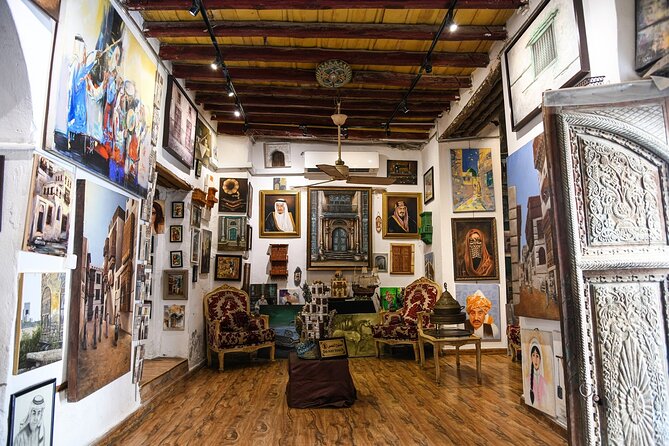
Tayyebat Museum is the moment where the tour slows down a bit and gives you structure. You are walking into a traditional Hijazi architecture complex, and then the museum experience is built around Jeddah’s long timeline, described as spanning 2,500 years.
This stop is valuable because it turns your street-level observations into something you can explain. When you see older buildings later, you can connect the look of them to what the city has gone through, why it became a trading hub, and how Jeddah’s outward-facing identity shaped daily life.
One review angle that stands out is how the museum visit can feel especially comfortable when the guide handling it is closely aligned with the museum experience. That kind of inside familiarity tends to make exhibits easier to process when you have limited time. If your guide gives you a practical run-through of what to look for, you will likely enjoy this stop even more.
If you are hoping to linger for lots of reading, watch the clock. The museum visit is a highlight, but the tour schedule is still built for a half-day. So treat this as your “get the big picture” stop, then consider a longer museum visit later if you want the deep version.
Old gold market on Gabel Street: a real-world shopping culture moment
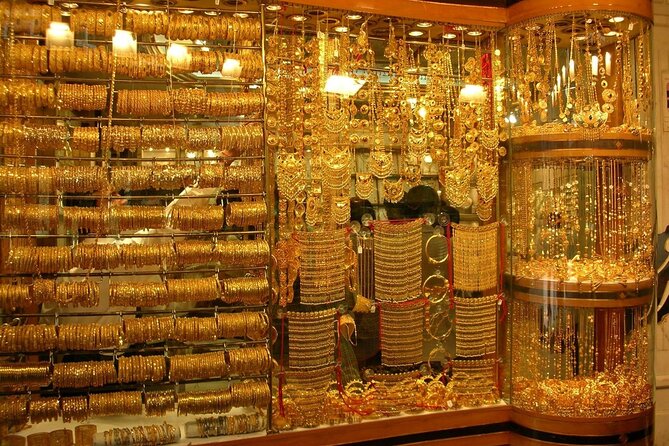
The Old gold market on Gabel Street is where the tour becomes sensory. Even if you are not buying, you get a feel for how commerce works in a neighborhood like this. Gold markets also create a useful contrast with the more quiet, historic architecture stops, because they show how trade and tradition overlap.
I like pairing a market with the rest of the religious and architectural stops on the same route. You finish the day with a sense of how people live, shop, and worship in proximity. It turns the sightseeing into something closer to a morning in the city rather than a checklist of landmarks.
If you do plan to shop, keep one practical note in mind: the tour includes entrance fees, but it does not include food or personal spending. So come prepared if shopping is part of your plan, and do not assume the tour price covers anything beyond the listed inclusions.
More Saudi city days that cover the ground quickly
- Jeddah: Al-Balad Old Town Historical City Guided Tour
★ 5.0 · 47 reviews - Jeddah Historical and City Tour
★ 4.0 · 15 reviews - discover Jeddah city
★ 4.5 · 13 reviews - Jeddah: City tour include old Jeddah OR Safari
★ 5.0 · 11 reviews
Ukash Mosque and the religion-and-streets rhythm
Ukash Mosque adds a spiritual landmark to the route, and it is placed where it makes sense. In older city districts, religious buildings often act as community anchors, and seeing one during a street-based tour helps you understand why these neighborhoods feel different from modern commercial areas.
The best way to enjoy this stop is to let it reset your attention. After the market energy, the mosque gives you a calmer, more reflective context. If your guide explains what you are seeing and how the mosque fits into the neighborhood, you will come away with more than a photo.
As with other stops, the schedule will determine how long you spend here. Still, the mosque visit is one of the reasons this tour feels more “cultural” than “only buildings.”
Super DOME photo stop and the Islamic Art Museum
Near the middle or later part of the tour, you get a brief photo stop at Super DOME. Since the stop is described as short, treat it like a timing-friendly moment to capture a landmark and move on. This is not the kind of stop where you should expect a long hangout.
Right after that, the tour includes a visit to the Islamic Art Museum. This is a strong pairing with the older city stops because it shifts you from local street history into a broader cultural lens. If you want to leave Jeddah with something you can think about later, museum time helps.
What I appreciate here is balance. You are not only chasing old streets; you also get an indoor cultural stop that can be more comfortable depending on the weather. That matters in Jeddah, where heat can influence how much stamina you have for a half-day.
Jeddah Corniche, King Fahd’s Fountain, and the coastal landing
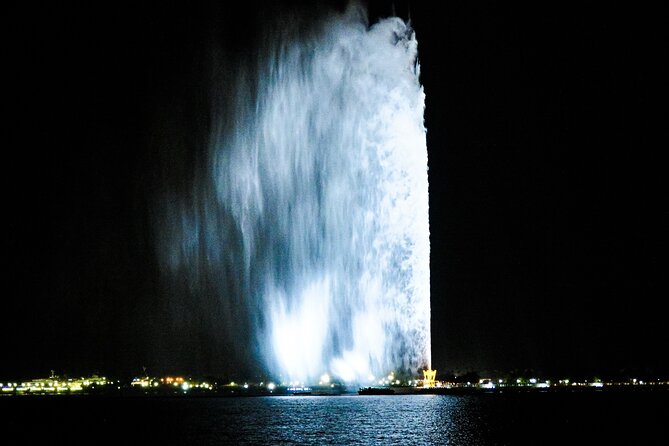
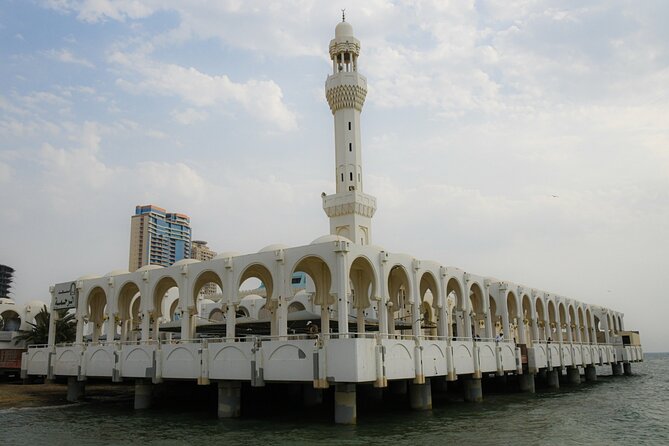
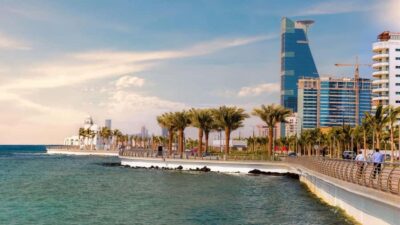
The tour ends with a drive toward Jeddah Corniche, described as a 30 km coastal resort area. You also pass by Al Rahmah Mosque along the Red Sea, and the route includes a look at King Fahd’s Fountain, described as the highest fountain in the world.
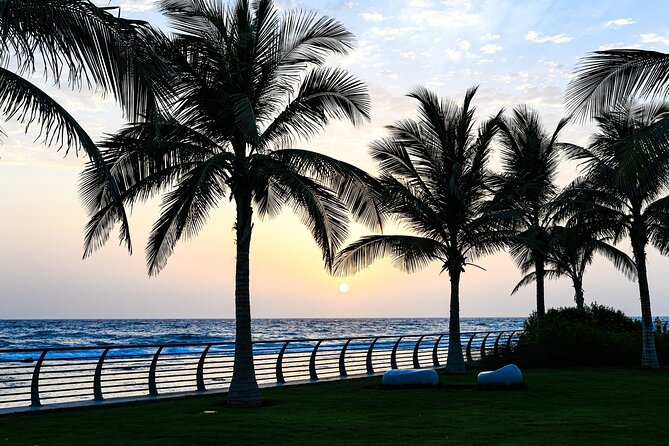
This final segment is about shifting gears. After older architecture, markets, and a museum visit, the Corniche gives you open space and big views. You get coastal roads, recreation areas, pavilions, and large-scale civic sculptures. It is the kind of ending that helps your photos look more varied and keeps the tour from feeling all “inside and close up.”
If you like sunrise-style light or golden-hour colors, I would still be ready for midday lighting since the start time is 9:00 am. Still, waterfront areas often photograph well because you can get skyline and sea together.
Price and logistics: is $51 worth a half-day like this?
At $51 per person for a roughly 4-hour experience, the value mostly comes down to what you avoid. You get hotel pickup, direct transfers, an English or Arabic speaking driver-guide, and entrance fees included. For many short city tours, that package deal is exactly what makes the price feel reasonable.
What you are paying for is not just attractions. You are paying for time saved and context added, especially in the Old Jeddah area where street changes can make self-guiding harder. In a schedule this tight, a guide who can explain quickly is often more helpful than an extra hour of wandering.
The trade-off is pacing. If you dislike rushed routes, you might not get the slow, detailed version of Al Balad you were hoping for. That shows up as a potential drawback in how the day is structured. Think of this tour as a high-value orientation and highlight sampler.
Also note the tour caps at 30 travelers. That suggests you are unlikely to feel like you are in a huge bus crowd, though you should still expect group timing.
What to pack and how to make it feel less rushed
This is a half-day, so comfort is everything. Wear shoes you can walk in easily, since Old Jeddah stops tend to involve short transfers and close-by streets.
Bring a camera and plan for brief photo moments, especially at Super DOME. The tour is built around highlights, so if you want more photos, you will likely need to be ready when your guide gives you a window.
Since food and beverages are not included, you will want to think about when you eat. Starting at 9:00 am can work well for an early appetite, but you should not count on the tour filling the gap.
And because the experience requires good weather, have a flexible mindset. If weather becomes a problem, you may be offered a different date or a full refund.
Who this tour suits best
This half-day tour is a good match if you want:
- A structured introduction to Old Jeddah without planning every stop yourself
- A guide-led mix of streets, architecture, and a museum visit
- A quick way to see highlights like the Old gold market on Gabel Street and Ukash Mosque
It may not be ideal if you:
- Want long stays in just one neighborhood
- Prefer slow pacing and lots of unstructured walking time
The guide factor matters here. One review praised a driver cum guide named Ashi for picking strong spots and sharing good historical context. Another review praised the driver-guide for friendliness and useful narration, while also noting that the overall schedule felt too fast. So the experience can land differently depending on what pace you prefer and how your guide manages timing.
Should you book this Jeddah Traditional City Tour?
I would book it if you are aiming for maximum variety in a half-day. You get Old Jeddah area highlights like Beit Nassif, the Baghdadi house, and the Ukash Mosque, plus an easier-to-digest cultural anchor with the Tayyebat Museum and then museum time at the Islamic Art Museum. Ending at the Corniche rounds it out with sea views and big landmark energy.
I would think twice if you are the kind of traveler who wants to disappear into one place for hours. In that case, you might treat this as your orientation tour, then plan a longer follow-up day in Al Balad with your own pace.
If you decide to go, do one simple thing: pick the one stop you care about most and decide ahead of time whether you want photos, questions, or quiet time there. With a schedule this packed, that small decision makes a big difference in how satisfied you feel at the end of four hours.
FAQ
What time does the half-day Jeddah Traditional City Tour start?
The start time is 9:00 am.
How long is the tour?
It runs for about 4 hours.
Is hotel pickup included?
Yes. Pickup is offered from your hotel in Jeddah, and you’ll also be dropped off after the tour.
What language is the guide?
You’ll have an English or Arabic speaking guide.
Which main sights are included?
You’ll see Old Jeddah and Al Balad, Beit Nassif, the Baghdadi house, the Old gold market in Gabel Street, Ukash Mosque, Tayyebat Museum, a photo stop at Super DOME, the Islamic Art Museum, and you pass by Al Rahmah Mosque on the way to the Corniche area.
Are entrance fees included in the price?
Yes. Entrance fees are included.
Is food or drinks included?
No. Personal expenses, food, and beverages are not included.
What if I need to cancel or the weather is poor?
You can cancel for free up to 24 hours in advance for a full refund. The experience requires good weather, and if it’s canceled due to poor weather, you’ll be offered a different date or a full refund.
More Saudi Arabia Tours

More Saudi Tours We Have Reviewed

Jeddah with a Local Guide

Booked more recently: other tours across Saudi Arabia

More in Jeddah Heritage & Local Guide Tours.
 ★ 5.0Historical & Heritage Tour in Jeddah Al BaladFrom $10957 reviews
 ★ 5.0Guided Tour in Jeddah by local womanFrom $10948 reviews
 ★ 4.0Jeddah Historical and City TourFrom $25015 reviews
 ★ 4.5discover Jeddah cityFrom $29013 reviews
 ★ 3.7Jeddah’s Traditional TourFrom $5411 reviews
 ★ 5.0Full Day Guided Jeddah City TourFrom $20010 reviews
 ★ 4.5Private Jeddah or Makkah TourFrom $999 reviews
 ★ 5.0Jeddah Heritage Tour Unveiling History and CultureFrom $1108 reviews
Also listed in