
REVIEW · ALULA
Al-Ula: Old Town, Hegra, and Elephant Rock Day Tour
Elephant Rock turns a simple day into theater. I like how this tour strings together AlUla Old Town and the UNESCO site of Hegra with a big, cinematic finale. One thing to consider, though, is that it is not designed for wheelchair users or people with major mobility limits.
I also like that the day runs with a real guide, in Arabic or English, so the places make sense as you move through them. The tour is only 6 hours from pick-up in AlUla, with roundtrip transport and snacks included, so you get a lot without wrestling your own logistics. Do plan for sun and walking, and bring water, sunscreen, and a hat because the desert does not slow down.
In This Review
- Key highlights you will actually feel
- Entering the day plan: 6 hours that link three very different worlds
- Wandering Al-Ula Old Town’s mud-brick maze (and why it matters)
- Oases and ancient irrigation: how desert farming really worked
- Hegra UNESCO site: Nabataean tombs, carvings, and inscriptions
- Elephant Rock at sunset: the desert’s final photo lesson
- Your guide’s rhythm can make or break the day
- Price and value: is $199 for 6 hours a smart spend?
- Dress code, rules, and comfort: the stuff that keeps the day pleasant
- Who this tour fits best, and who should rethink it
- Should you book the Al-Ula, Hegra, and Elephant Rock day tour?
- FAQ
- Where is the pickup location?
- How long is the tour?
- What is included, and what is not?
- Which key places does the tour include?
- Is photography allowed during the tour?
- Is this tour suitable for wheelchair users or people with mobility impairments?
- What languages are the guides, and how flexible is cancellation?
Key highlights you will actually feel
- A tight mix of history and nature, from mud-brick alleys to Nabataean rock-cut tombs
- UNESCO Hegra with carved tombs and inscriptions, plus wells and dwelling ruins nearby
- AlUla oases powered by ancient irrigation, where you can see why people stayed in this desert
- Elephant Rock at sunset, a sandstone formation shaped by nature over millions of years
- A guided pace that aims to keep you moving, without rushing through the key points
Entering the day plan: 6 hours that link three very different worlds
This is a focused, single-day circuit that makes sense if you are based in AlUla and want the big hits without doing the planning yourself. You start in AlUla, you get roundtrip transport, and you roll through the old town, the oases, Hegra, and finally Elephant Rock around the day’s most dramatic light.
What makes it work is the variety. You are not just looking at ruins. You are moving from a living-in-place kind of history (homes, shops, mosques) to how desert life was supported (springs and irrigation) and then to the monumental Nabataean world in rock (tombs, inscriptions, carved facades). By the time you reach Elephant Rock, your brain is already trained to notice scale and time.
Other Hegra tomb visits and Dadan stops around AlUla
- Visiting The Incredible Heritage Site Hegra in AlUla★ 4.6 · 93 reviews
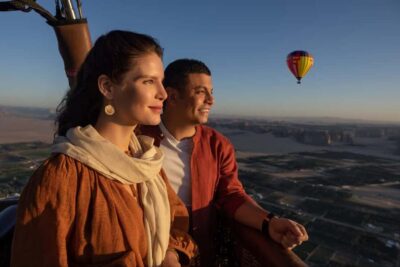
- Hegra Al Ula: Sunrise Hot Air Balloon Flight★ 4.6 · 43 reviews
- Al Ula: Dadan and Jabal Ikmah Tombs Guided Tour★ 4.2 · 26 reviews
- From AlUla: Hegra Tour★ 3.9 · 25 reviews
- Al-Ula: Old Town, Hegra, and Elephant Rock Day Tour★ 4.9 · 14 reviews
Wandering Al-Ula Old Town’s mud-brick maze (and why it matters)
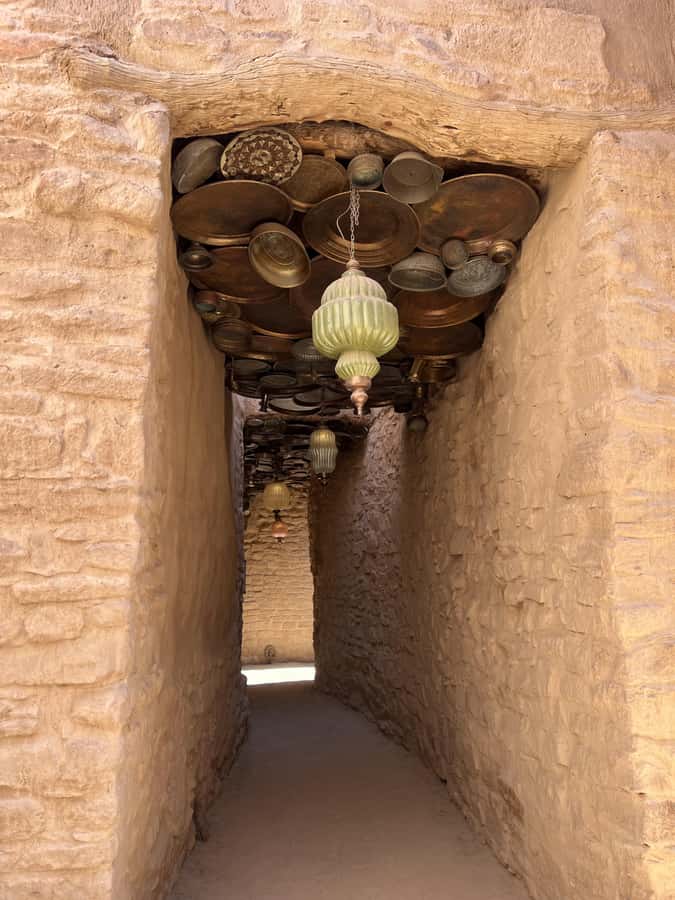
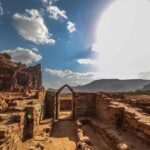
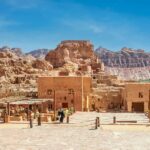
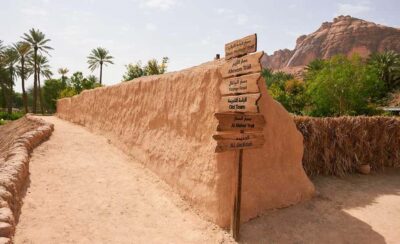
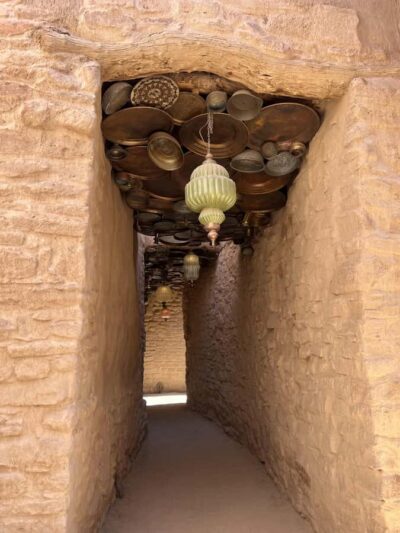
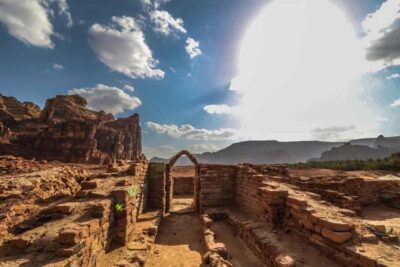
AlUla Old Town is the kind of place where the details are the story. Expect narrow lanes, mud-brick houses, and historic mosques that make the town feel built for walking and conversation rather than cars. It is also the kind of site where a guide helps you look at the layout differently, because this was once a key stop for pilgrims heading toward Mecca.
A particularly interesting point here is the sheer size of what used to be inside the town walls. The town once had nearly 900 homes and 400 shops, which means it was not a small village off to the side. It was an active center with commerce and daily life, shaped by people moving through and needing services along the route.
Practical note: mornings tend to be easier for walking in AlUla, and you will want comfy shoes. The alleys and uneven ground can slow you down if you have soft soles or poor grip.
Oases and ancient irrigation: how desert farming really worked
After the old town, the scenery shift is part of the payoff. AlUla’s oases look like a miracle until you understand the water system behind them. These lush areas were sustained by ancient irrigation systems and natural springs, which helped keep date palms, citrus trees, and aromatic herbs growing in an otherwise harsh environment.
For me, this stop is the difference between seeing AlUla as scenery and understanding it as a place people lived well. When you see the oases right after the old town, you start connecting daily life to survival. Trade routes needed food. Pilgrims needed water. Communities needed a system that could handle long dry spells.
What to do here: take your time and notice how the greenery is organized around water sources. Also, even though it can feel cooler near water, you still need sun protection. The desert sun does not care how pretty the palm trees look.
Hegra UNESCO site: Nabataean tombs, carvings, and inscriptions
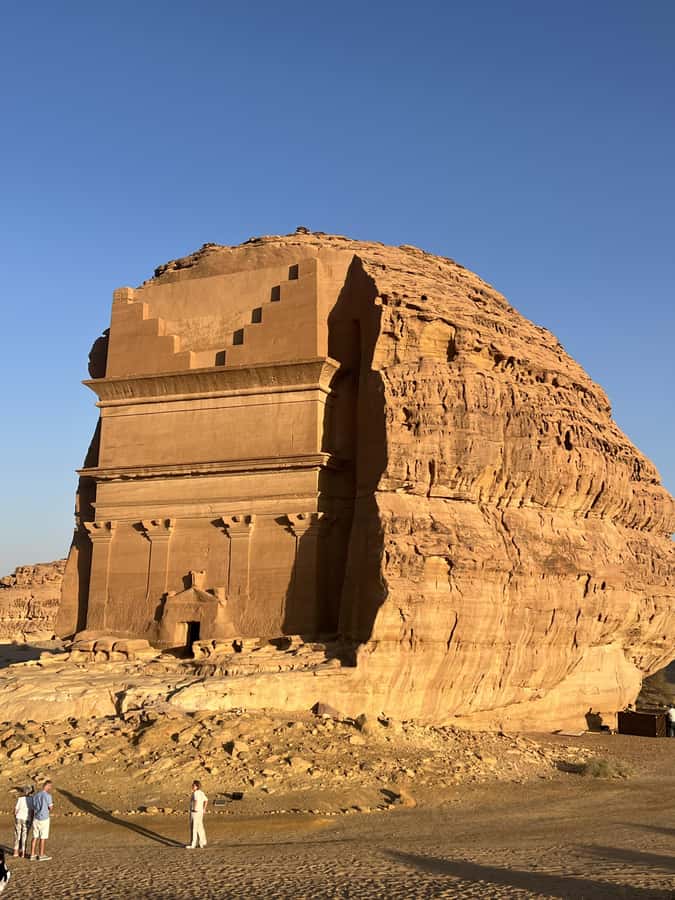
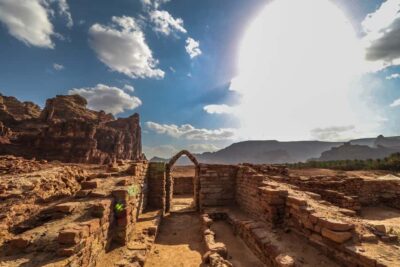
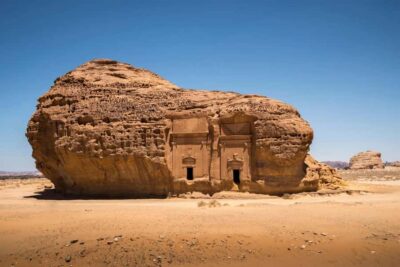
Hegra is one of those destinations that makes you understand why the Nabataeans were so influential. It is the second-largest city of the Nabataean Kingdom, after Petra, and it sits in the desert in a way that feels both strategic and artistic.
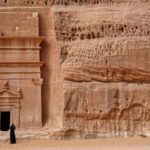
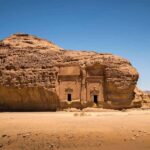
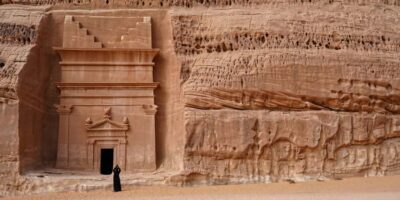
At the site, you will see rock-cut tombs with intricate carvings and ancient inscriptions. You will also find ancient wells and dwelling ruins, which help you picture the broader settlement rather than only the monuments. The inscriptions and carvings are not just decoration. They are part of how a civilization marked identity, status, and memory in stone.
Why this is valuable on a day tour: without context, rock-cut tombs can blur together. With a guide, you get help noticing what is different from tomb to tomb, and you learn how the Nabataeans managed trade routes and wealth. The result is that the site feels less like a photo-op and more like a readable archive.
Real-world tips: wear light layers that still follow modest dress norms, keep water handy, and expect you will walk at a steady pace. If you get sun headaches easily, bring something that shades your neck too.
Elephant Rock at sunset: the desert’s final photo lesson
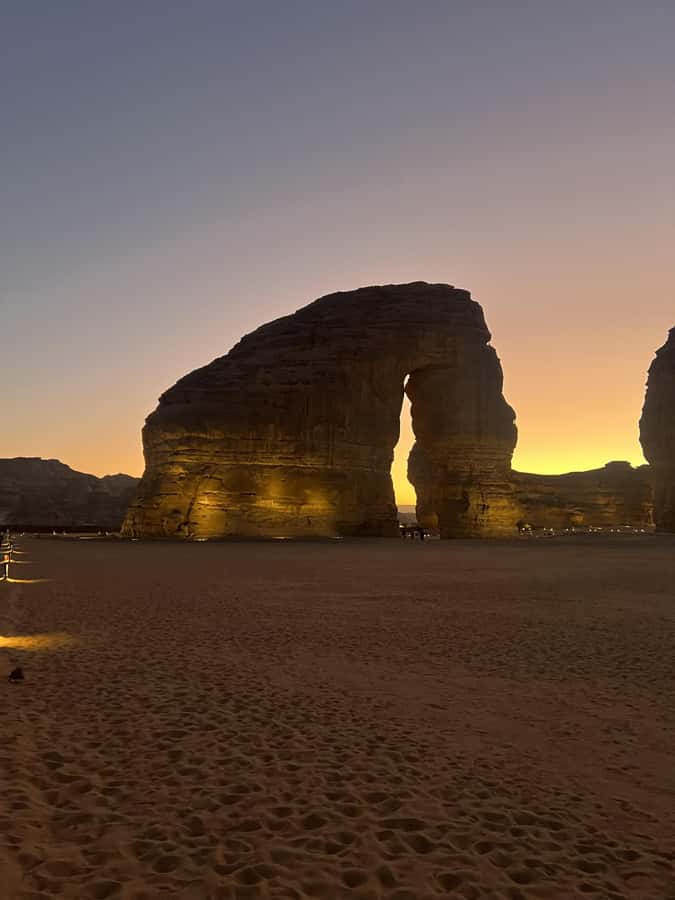
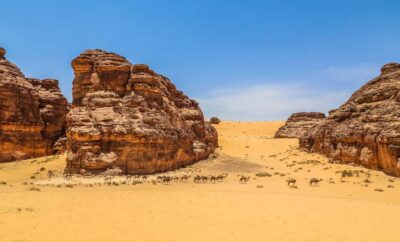
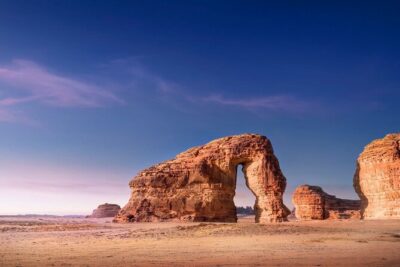
Elephant Rock is the kind of natural feature that stops you mid-sentence. It is a towering sandstone formation, shaped by natural forces over millions of years, and it is famously formed to resemble an elephant with an arching trunk.
The timing matters because this is where the desert light does its magic. Watching Elephant Rock at sunset is not just about pretty colors. The way the rock’s surface catches the sun makes scale feel real. It also turns the day into a clean ending, after the structured feel of the old town and the dense stone work of Hegra.
Photo tip that is practical: get into position early enough that you are not sprinting around at the last minute. If you like sharp shots, protect your camera battery in the warming evening breeze and keep your hands steady. And if you are more into the view than the lens, you will still be glad you arrived a bit early.
- AlUla: Discover AlUla Like a Local Guided Tour
★ 5.0 · 25 reviews - Tour AlUla’s Old Town
★ 3.7 · 11 reviews - Oasis Adventure in Alula
★ 4.2 · 6 reviews - AlUla: Sharaan Nature Reserve
★ 5.0 · 4 reviews
Your guide’s rhythm can make or break the day
The biggest consistent thread behind this tour’s good reputation is the guide style. You are not just getting facts. You are getting pacing that respects your group and keeps you from feeling shoved from stop to stop.
In particular, guides such as Hatim, Mohamed Al Bokhari, and Rasha have been singled out for being pleasant, attentive, and ready to adjust when the group needs a slower or more comfortable pace. That matters because AlUla is not a place you want to experience while rushing. Your enjoyment rises when you can walk at the tempo of the group, ask questions, and actually look at what you came to see.
Also, the guide language options are practical: the tour operates with Arabic and English. If you can catch the basics in English or Arabic, you will get more out of the inscriptions and the town details than you would browsing signs on your own.
Price and value: is $199 for 6 hours a smart spend?
At $199 per person for a 6-hour day, you are paying for more than sightseeing. You are paying for a guided route that compresses several major stops into one smooth plan, with roundtrip transportation from AlUla and snacks included.
Here is how I think about value in cases like this:
- You save time and coordination, which is often the real hidden cost in destinations like AlUla.
- You pay for interpretation, especially at Hegra, where carved tombs and inscriptions are easier to understand with a human guide.
- You do not pay for extra basics like snacks in the tour price, which helps keep the day from turning into small surprise purchases.
Not included is personal spending, so if you want souvenirs, drinks beyond snacks, or extra snacks, those costs will be on you. For me, the price feels most justified if you want the big trio in one day, Old Town plus oases plus Hegra plus Elephant Rock, rather than spreading it across multiple half days.
Dress code, rules, and comfort: the stuff that keeps the day pleasant
This tour asks you to dress modestly to respect local customs. That is not just etiquette. It also helps you handle sun and walking more comfortably. Bring clothes that cover appropriately but still breathe.
You should also plan for basics:
- Comfortable walking shoes
- Hat and sunscreen
- Water for hydration
On the rules side, smoking is not allowed, and alcohol and drugs are not allowed either. Littering is also prohibited. Photography is allowed, but you should respect local sensitivities, meaning keep it respectful and avoid intrusive behavior in tighter areas.
If you are sensitive to heat, pace yourself and use shaded moments when you find them. A long day in strong sun can feel longer than the clock says.
Who this tour fits best, and who should rethink it
This is a strong choice if you want a guided highlights loop that covers multiple historic and natural sites in one day. It is also ideal if you like learning something while you walk, especially at Hegra where context matters.
It is not suitable for people with mobility impairments and wheelchair users. If you or someone you travel with has limited ability to walk uneven ground or keep moving for hours, you will likely find the day harder than it needs to be.
The good news is that if you are generally mobile and comfortable walking with breaks, this format tends to work well because it gives you structure and reduces decision fatigue.
Should you book the Al-Ula, Hegra, and Elephant Rock day tour?
I would book this if you have only a short window in AlUla and want the core experiences in one guided package: AlUla Old Town, the oases tied to ancient irrigation, UNESCO Hegra with its tombs and inscriptions, and Elephant Rock at sunset. The guided element is the secret ingredient, and the tour’s track record with guides like Hatim, Mohamed Al Bokhari, and Rasha suggests you can expect explanations that keep pace and attention.
I would skip it if your priority is a slow, unstructured exploration, or if mobility limits could make walking difficult. Also, if you hate sun and need very frequent indoor breaks, you will want to be extra strategic with hydration and clothing.
If you can handle a 6-hour guided walk in desert heat, this is one of the most efficient ways to see why AlUla’s past and present are tied together by water, trade, and stone.
FAQ
Where is the pickup location?
Pickup is in AlUla. You will also return to AlUla at the end of the tour.
How long is the tour?
The duration is 6 hours.
What is included, and what is not?
Included are roundtrip transportation and snacks. Personal expenses are not included.
Which key places does the tour include?
You will visit AlUla Old Town, AlUla’s oases, Hegra, and Elephant Rock.
Is photography allowed during the tour?
Yes, photography is allowed. Please respect local sensitivities.
Is this tour suitable for wheelchair users or people with mobility impairments?
No. The tour is not suitable for people with mobility impairments and wheelchair users.
What languages are the guides, and how flexible is cancellation?
The live tour guide is available in Arabic and English. The tour offers free cancellation up to 24 hours in advance for a full refund, and there is also a reserve now, pay later option.
More Saudi Arabia Tours
More Saudi Tours We Have Reviewed

Hegra and the AlUla Tombs
Booked more recently: other tours across Saudi Arabia
More in Hegra & AlUla Rock-Tomb Tours.
 ★ 4.6Visiting The Incredible Heritage Site Hegra in AlUlaFrom $6593 reviews
 ★ 4.6Hegra Al Ula: Sunrise Hot Air Balloon FlightFrom $34543 reviews
 ★ 4.2Dadan and Jabal Ikmah Tombs Guided TourFrom $4926 reviews
 ★ 3.9From AlUla: Hegra TourFrom $3525 reviews
 ★ 3.5Half day Hegra ExperienceFrom $2715 reviews
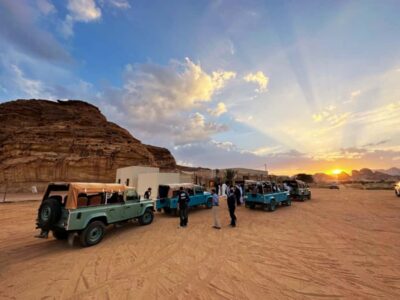 ★ 4.7Hegra Tour: AlUla’s No.1 Haven For Nature, Wildlife LoversFrom $9914 reviews
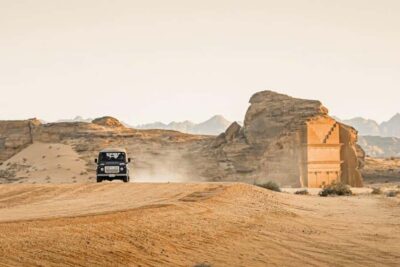 ★ 4.8Fancy Tour of Hegra in a Vintage Land RoverFrom $49911 reviews
★ 5.0Visiting the Incredible Heritage Site Hegra in AlUla.From $5911 reviews
★ 4.8Fancy Tour of Hegra in a Vintage Land RoverFrom $49911 reviews
★ 5.0Visiting the Incredible Heritage Site Hegra in AlUla.From $5911 reviews
Also listed in